In an evolving technological landscape, Compact Embedded PCs have gained significant traction. According to a report by MarketsandMarkets, the embedded system market is expected to reach $162.74 billion by 2026. This growth highlights the increasing demand for efficient and space-saving computing solutions across various industries.
Compact Embedded PCs are tailored for specific tasks, making them reliable in demanding environments. Their small footprint enables deployment in space-constrained areas. In applications ranging from industrial automation to medical devices, these systems ensure optimal performance and reliability. Research indicates that over 70% of manufacturers favor embedded systems for their energy efficiency and reduced maintenance costs.
However, not all Compact Embedded PCs meet the same standards. Factors such as thermal management and component durability need careful consideration. As companies strive for innovation, selecting the right system requires a balance between performance and long-term reliability. The choice of a Compact Embedded PC can significantly impact operational success, demanding a thoughtful evaluation process.
What Defines a Compact Embedded PC?
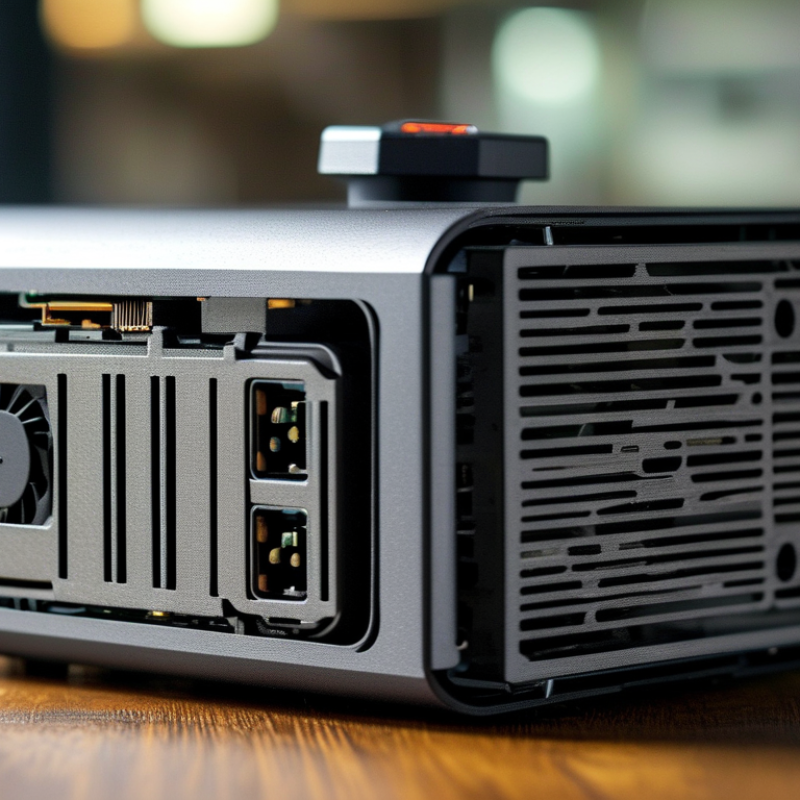
Compact embedded PCs are designed for specific tasks in industries like automation, healthcare, and transportation. These systems are compact and energy-efficient. They provide high performance while occupying minimal physical space. According to a recent report by Research and Markets, the global embedded systems market is projected to reach over $210 billion by 2025. This growth is driven by advancements in IoT and AI technologies.
What defines a compact embedded PC? Size is a primary factor. Typically, these systems are smaller than traditional computers. They can measure just a few inches across. Their design allows for deployment in tight spaces. Moreover, compact embedded PCs often use specialized processors. These processors are optimized for power efficiency and thermal management.
Durability is another key aspect. Many compact embedded PCs are built to withstand harsh conditions. For example, they often meet IP65 standards for dust and water resistance. This resilience is essential for applications in rugged environments. Nevertheless, not all compact embedded systems are perfect. Their compact nature can sometimes limit upgrade potential. Users need to consider long-term needs carefully. Selection should be informed by both current demands and future scalability.
Key Features of Compact Embedded PCs
Compact embedded PCs offer unique advantages in various applications. Their small form factor allows for integration in tight spaces, making them ideal for industrial automation, smart devices, and IoT solutions. According to a report by MarketsandMarkets, the global embedded systems market is projected to reach $161.6 billion by 2026, highlighting the growing importance of these compact systems in modern technology.
Key features of compact embedded PCs include energy efficiency, rugged design, and versatile connectivity options. Many models consume under 10 watts under full load, promoting sustainability. Furthermore, these PCs often withstand challenging environments, withstanding temperatures ranging from -20°C to 70°C. Connectivity options often include USB, Ethernet, and serial ports, enhancing flexibility in diverse applications.
However, the trade-offs are significant. Limited processing power can restrict complex tasks. Additionally, thermal management in such compact designs can lead to overheating issues. Companies must carefully assess their needs against these limitations. Understanding specific requirements and potential drawbacks is crucial for selecting the right embedded PC.
Applications of Compact Embedded PCs in Various Industries
Compact embedded PCs have found extensive applications across various industries due to their size, performance, and adaptability. In manufacturing, these devices streamline production processes and enhance automation. According to a report by ResearchAndMarkets, the embedded computing market is projected to reach $261 billion by 2025, highlighting the rapid growth in usage. Embedded PCs are crucial in medical devices, enabling real-time data processing for diagnostics and patient monitoring.
The automotive sector benefits significantly from compact embedded PCs. They manage critical systems, including navigation, safety, and entertainment. A study by Grand View Research estimates that the automotive embedded systems market will grow by 7% annually through 2027. This growth showcases the demand for reliable computing power in smart vehicles.
Tips: Choose a compact embedded PC with energy efficiency in mind. This reduces operational costs over time. Always consider future scalability to meet evolving industry needs. Regularly assess technology advancements to stay competitive and secure.
Benefits of Choosing a Compact Embedded PC Over Traditional Systems
Choosing a compact embedded PC can significantly benefit various applications. These small yet powerful devices are designed to handle specific tasks with high efficiency. Their compact size allows for easy integration into tight spaces, unlike traditional systems that require more room. This is crucial in industries where space optimization is vital, such as manufacturing and transportation.
Compact embedded PCs often consume less power. This can lead to reduced operational costs over time, making them appealing for long-term projects. Additionally, they offer better durability. Their robust design withstands harsh environments, ensuring reliable performance. Many users have found that transitioning to these systems can be less complex than anticipated. However, proper research is essential. Not all embedded PCs fit every need.
The learning curve may pose challenges. Some users might struggle to adapt to the unique features of compact PCs. It's important to consider the specific requirements of your application. Understanding these details can help avoid potential pitfalls. A carefully chosen compact embedded PC can lead to greater efficiency and cost savings.
Factors to Consider When Selecting a Compact Embedded PC
When selecting a compact embedded PC, several key factors come into play. Size and form factor are crucial. Compact systems can fit into tight spaces. This is essential for applications in robotics or industrial automation. The physical dimensions dictate where you can place the device. If the system is too large, it may not work in your intended environment.
Performance is another significant consideration. Evaluate the processing power you need. Some applications require high CPU performance. Others rely more on energy efficiency. Balance is vital. An underperforming unit can hinder operations, while an overpowered one might waste energy. Also, think about the connectivity options. You might require various interfaces, such as USB, Ethernet, or serial ports. Limited options can restrict functionality.
Durability should not be ignored. Compact embedded PCs often operate in harsh conditions. Consider factors like temperature range and resistance to dust. A reliable unit enhances system uptime. Still, some users overlook these aspects while focusing solely on specs. Reflecting on past experiences can guide future choices. In selecting the right compact embedded PC, ask yourself what matters most in your application. This thought process can lead to better decisions.
Performance Factors of Compact Embedded PCs
FAQS
: They are designed for specific tasks in automation, healthcare, and transportation.
These systems can measure just a few inches across. Size limits may impact placement options.
They often need to withstand harsh conditions. Many meet IP65 standards for dust and water resistance.
Typical options include USB, Ethernet, and serial ports. Limited choices may affect functionality.
Yes, many consume under 10 watts even at full load. Sustainability is a strong selling point.
Assess your application needs. Too little power may hinder operations, while too much can waste energy.
Overheating can occur due to thermal management issues. Users must reflect on past experiences to avoid problems.
Consider temperature ranges and dust resistance. Neglecting these factors can lead to system failure.
Their compact nature can limit upgrade potential. Carefully consider long-term needs before selecting a model.
It's projected to reach over $210 billion by 2025. This growth shows the rising importance of these systems.
Conclusion
A Compact Embedded PC is a specialized computing system designed for integration into various applications, offering a balance between size and performance. These devices are characterized by their compact form factor, robust design, and energy efficiency, making them ideal for environments where space is at a premium. Key features often include low power consumption, high durability, and versatile connectivity options, which enable their use across multiple industries, from industrial automation to smart transportation systems.
Choosing a Compact Embedded PC over traditional systems presents several benefits, such as reduced physical footprint and cost efficiency, as well as improved reliability and longevity in challenging environments. When selecting a Compact Embedded PC, it is essential to consider factors such as processing power, input/output requirements, and thermal management capabilities to ensure the system meets the specific needs of its intended application.

 JingHong Device