What Are the Top 3 Laptop Brands in China?

Time:2026-11-17 Author:Amelia
0%

Choosing a laptop in China means comparing more than processor speed. Local service, keyboard comfort, screen quality, and value can matter just as much. The Top 3 Laptop Brands often discussed by Chinese buyers are Lenovo, Huawei, and Xiaomi, though the order depends on the year and the criteria used. Lenovo has a broad range, from practical everyday machines to performance-focused models. Huawei’s MateBook line is known for slim designs and useful links with its phones and tablets. Xiaomi offers RedmiBook models that often target buyers seeking solid specifications at accessible prices.

These brands suit different needs, rather than one being best for everyone. A student might value battery life and a light charger, while a video editor may need stronger graphics and a color-accurate display. Small details count. A bright screen can help near a window; a cramped keyboard can make long work tiring. This guide compares the brands through product range, build quality, features, pricing, and after-sales support. It also recognizes an important limitation: brand reputation cannot tell you whether a specific model is reliable or good value. Model lineups change, and availability varies by region. Check current configurations, warranty terms, and independent reviews before buying. Rankings can be useful, but they simplify a complicated choice. That is worth remembering.
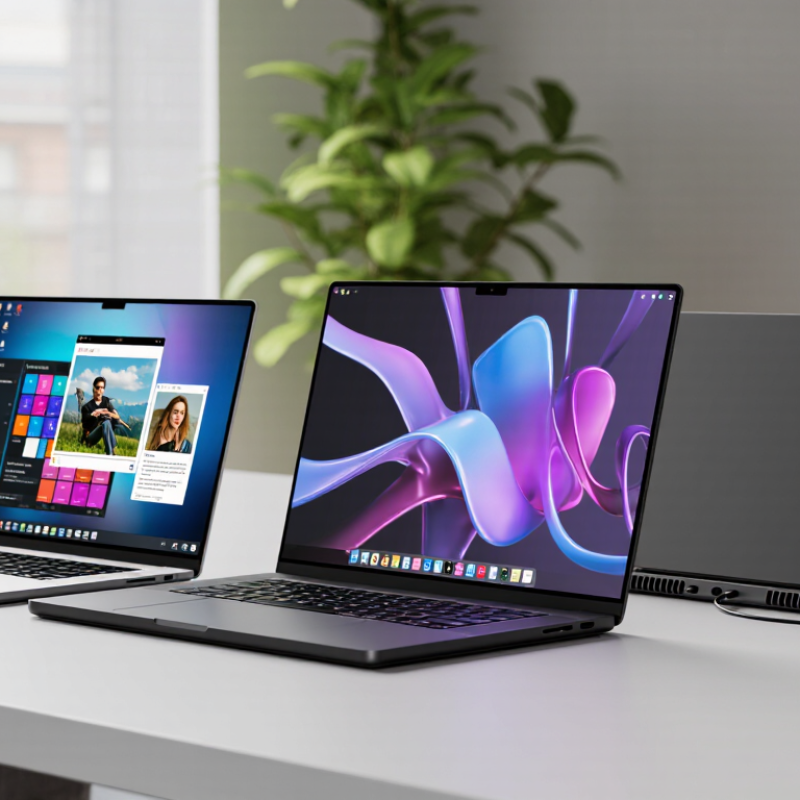
What Are the Top 3 Laptop Brands in China?

How China's Laptop Market Defines a Leading Brand

In China, a leading laptop brand is defined by more than a familiar name or a polished launch event. A useful assessment looks at three signals: shipment share, product coverage, and service reach. Does the company sell reliable machines for students, office teams, and demanding creative work? Can buyers find repairs and replacement parts beyond major cities? These details shape trust.

IDC’s Worldwide Quarterly Personal Computing Device Tracker estimated that China’s PC shipments reached about 41.3 million units in 2024, up 3.6% year over year. That national figure shows a large, competitive market, but it does not identify a leader by itself. Rankings can change by quarter, price band, or consumer versus commercial sales. Shipment volume also cannot reveal whether a laptop stays cool during a long video call or whether service is convenient in a smaller city. The numbers help, but they leave gaps.

Tips: Compare the same quarter and product category. Check warranty terms, repair locations, and independent reliability testing. A low price can look compelling; it may not tell the whole story. Even market reports have limits. Pair shipment data with hands-on reviews and clear service information before judging leadership.

Lenovo: Broad Product Range and Strong Market Presence

A broad laptop lineup matters in China because buyers range from students in crowded dorms to engineers carrying work between offices. One leading manufacturer serves these needs with lightweight everyday models, gaming systems, and mobile workstations. This breadth can simplify comparison. It can also make the range harder to navigate.

IDC’s China Quarterly PC Monitor estimated that China’s PC market shipped about 41 million units in 2024. That scale gives established suppliers room to serve large cities and smaller regional markets through retail and online channels. A wide service network matters too. A laptop is less reassuring when repairs require a long trip.

Product breadth is not proof that every model fits every buyer. Price, battery life, screen quality, and repair access still vary. A practical check is to compare the exact configuration, not just the product family. For example, a student may value a light chassis and a full day of classes, while a designer may need a brighter display and stronger graphics. IDC’s market estimate describes demand, not customer satisfaction. That distinction is easy to miss.

Huawei: Premium Laptops and Connected Devices

Premium laptops stand out through more than metal finishes or slim screens. Buyers also expect quiet fans, reliable keyboards, strong battery life, and smooth links with phones, tablets, and earbuds. IDC reported that worldwide PC shipments reached 262.7 million units in 2024, a 1.0% rise from 2023. That modest recovery makes practical upgrades more important than flashy specifications. A laptop that quickly shares files or continues a task across devices can save time during a commute or between meetings. Small details matter.

Connected features work best when setup is simple and privacy controls are clear. Before buying, check whether your existing devices support the same file-sharing, screen-casting, and account features. Also test the keyboard and display in person if possible; glossy screens can reflect office lights, and compact keyboards may feel cramped. One caveat: a tightly connected ecosystem can be convenient, but it may offer less flexibility across different operating systems. That trade-off deserves a closer look.

Tips: Compare real battery tests, port selection, repair options, and warranty terms—not just advertised performance. Bring your phone to the store and try a file transfer. A short test helps.

Premium Laptops and Connected Devices

Theoretical peak data rates of Wi-Fi generations commonly supported by modern laptops

These are theoretical maximum data rates, not expected download speeds. Actual performance varies with the device, router, distance, interference, and network conditions.

Xiaomi: Affordable Options for Everyday Computing

In China’s crowded laptop market, affordable models can make everyday computing accessible without asking buyers to pay for gaming-class power. They suit students, commuters, and home users who mainly browse, write documents, join video calls, and stream lessons. Keep expectations realistic. A slim chassis travels easily, and a bright 14-inch screen helps with spreadsheets near a sunny window. For smoother multitasking, look for 16 GB of memory if the budget allows; 8 GB may feel limiting when many browser tabs and a video call are open together.

Configuration matters. A 512 GB solid-state drive gives most users room for coursework, photos, and common applications, while a comfortable keyboard matters during long writing sessions. Check the port selection too, especially if you use a wired mouse or external display. Lower prices can involve trade-offs in screen brightness, speakers, or battery life, and specifications vary between versions. I would not judge a laptop by its starting price alone. Compare the exact configuration, warranty terms, and return policy before buying; a bargain is less useful if it struggles with your daily workload.

Affordable Laptop Options for Everyday Computing

A brand-neutral guide to common laptop configurations. Specifications and prices vary by model and retailer.

Option Typical Configuration Best Suited For What to Consider
Essential Everyday Entry-level mobile processor; 8–16 GB memory; 256–512 GB SSD; 14–15.6-inch Full HD display Web browsing, document editing, video streaming, and online classes Choose 16 GB of memory if you often keep many browser tabs or applications open.
Balanced Everyday Midrange mobile processor; 16 GB memory; 512 GB SSD; 14–16-inch Full HD or higher-resolution display Office multitasking, study, video calls, and general home use A 512 GB SSD provides more room for applications and files than a 256 GB drive.
Portable Everyday Efficient mobile processor; 16 GB memory; 512 GB SSD; 13–14-inch display Commuting, campus use, travel, and working in different locations Check the listed weight, battery capacity, port selection, and keyboard layout before buying.

How the Three Brands Compare in Features and Target Users

China’s leading laptop choices tend to serve three different users: gamers and creators, mobile professionals, and budget-conscious households.

Performance-focused models pair powerful processors and dedicated graphics with heavier chassis and louder cooling fans. They suit video editing or demanding games, but are less pleasant to carry across campus.

Premium lightweight models prioritize slim metal bodies, bright screens, and long battery life. Their higher prices can mean fewer ports or less upgrade flexibility.

Mainstream value models offer practical performance for documents, browsing, and online classes. Their displays and speakers may feel basic. That trade-off is real.

Market scale matters, but it does not prove one design fits everyone.

IDC’s Worldwide Quarterly Personal Computing Device Tracker estimated global PC shipments at 262.7 million units in 2024, about 1% above 2023. This modest rebound suggests replacement demand is returning, while buyers still weigh cost carefully.

Compare the three categories by workload, portability, and service access—not just processor labels. A bright screen helps in a sunlit classroom; a sturdy hinge matters more after daily commuting. I would not treat advertised battery life as a guarantee. Screen brightness and video calls can change it sharply.

Tips: Check the exact screen panel, memory configuration, weight, and warranty terms before buying.

For students, a comfortable keyboard may matter more than a small benchmark advantage.

For creators, confirm the graphics chip and cooling performance.

FAQS

What makes a laptop brand a leader in China?

Look at shipment share, product range, and service access. Numbers leave gaps. A large share cannot show how well a laptop handles a long video call.

How large was China’s PC market in 2024?

Industry tracking estimated about 41.3 million PC shipments, up 3.6% from 2023. Rankings can shift by quarter and product category.

Do shipment figures prove which laptop is best?

No. They show market volume, not comfort, reliability, or repair convenience. I would treat rankings as one clue, not a verdict.

What should budget-conscious buyers compare?

Check the exact memory, screen, storage, and warranty. A 14-inch display and 512 GB drive may suit everyday study and browsing.

How much memory is useful for everyday work?

16 GB can help when many browser tabs and a video call are open. With 8 GB, multitasking may feel tight. It depends.

What trade-offs can come with a lower price?

Some models have dimmer screens, weaker speakers, or shorter battery life. Compare the precise configuration, not just the starting price.

Which laptop type suits gaming or creative work?

Performance-focused models often pair dedicated graphics with stronger cooling. They can be heavier and louder, which may matter on a daily commute.

What should mobile students and professionals check?

Compare weight, keyboard comfort, ports, warranty terms, and nearby repair options. Advertised battery life can change sharply during bright-screen video calls.

Conclusion

The Top 3 Laptop Brands in China stand out in different ways, reflecting the range of needs in a large and competitive market. One leads with a broad selection of laptops for varied budgets and uses. Another focuses on premium design and features that work smoothly with connected devices. The third emphasizes affordability and practical performance for everyday computing, making it appealing to cost-conscious buyers.

Together, these approaches serve students, professionals, and general users with different priorities. Comparing the three means looking beyond popularity to factors such as price, performance, portability, design, and ecosystem compatibility. The right choice depends on how someone plans to use a laptop and which features matter most.

Amelia

Amelia

Amelia is a seasoned marketing professional with a wealth of expertise in our company’s core offerings. With an unwavering passion for driving growth and innovation, she plays a pivotal role in shaping our marketing strategies and enhancing brand visibility. A key aspect of her responsibilities......