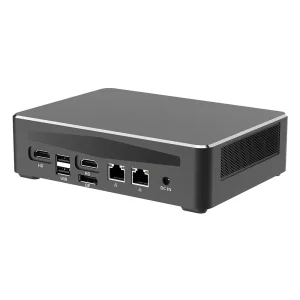
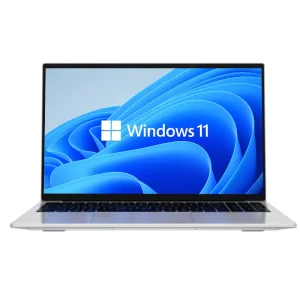
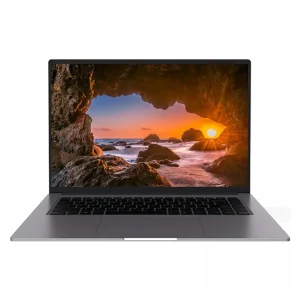
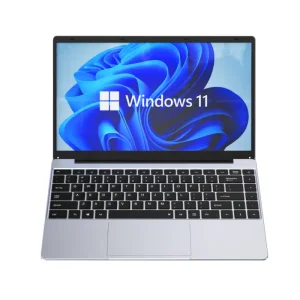
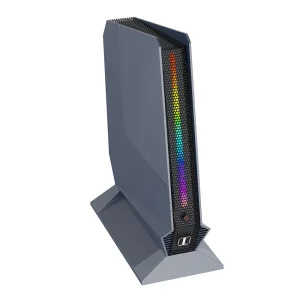
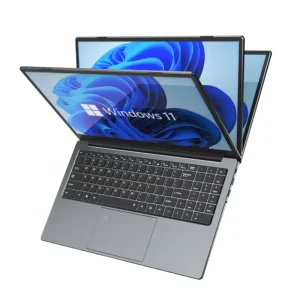
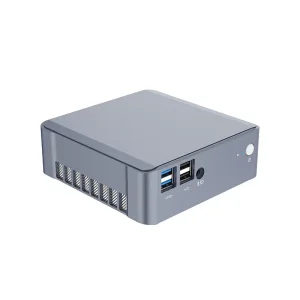
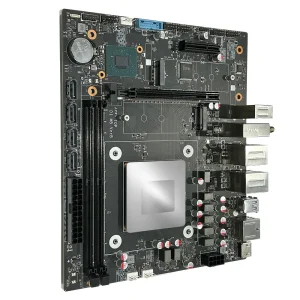
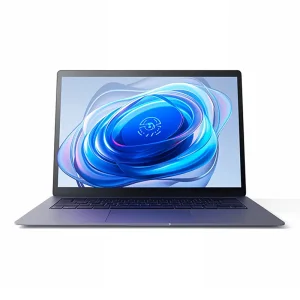
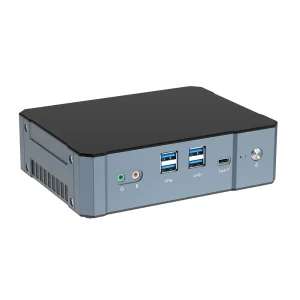
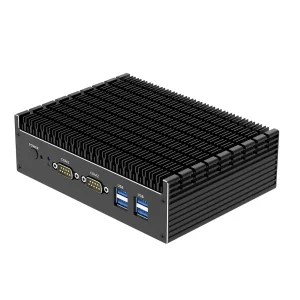
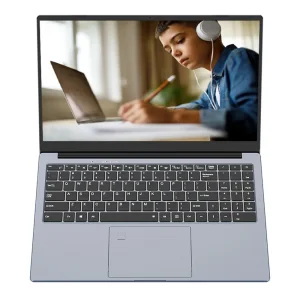
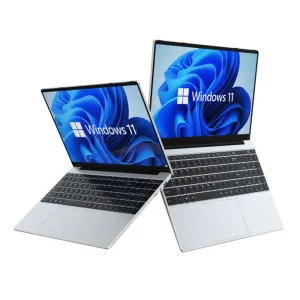
Explore our high-performance hardware portfolio, featuring advanced thermal designs, high-end Intel processing architectures, and reliable industrial layouts.
Unlocking infrastructural simplicity, energy efficiency, and operational agility through Power-over-Ethernet (PoE) hardware architecture.
The fundamental value of Power-over-Ethernet (PoE) in mini PCs lies in the consolidation of power supply and gigabit network connectivity into a single RJ45 cable. By conforming to modern IEEE 802.3at (PoE+) and IEEE 802.3bt (PoE++ / Type 4) power delivery standards, modern edge devices can draw up to 90W of clean DC power directly from managed PoE switches. This eliminates bulky AC adapters, lowers localized fire risks, and drastically reduces physical deployment costs in remote configurations.
As modern architectures like Intel Alder Lake-N, Tiger Lake-U, and Raptor Lake-U become highly energy-efficient, the performance-per-watt metric has surged. Today's PoE-enabled mini PCs can handle complex media decoding, industrial telemetry, local AI-based visual processing, and multiple independent displays. This hardware can operate efficiently within the 25W–75W power envelopes typically provided by enterprise-grade PoE network injectors.
In industrial environments, server downtime translates directly to operational losses. Centrally supplying power via a managed PoE switch enables automated power cycling and device monitoring. By pairing the central PoE network switch with an enterprise-grade Uninterruptible Power Supply (UPS) in the server closet, all connected PoE Mini PCs receive clean, backup power, keeping key nodes active even during localized power outages.
For Chief Technology Officers, Systems Integrators, and IT Sourcing Professionals, selecting a PoE Mini PC supplier is a decision that extends far beyond pricing. Enterprise deployments demand high reliability, predictable product lifecycles, and adaptable system designs. Sourcing teams prioritize hardware that features stable industrial components to ensure operational longevity.
In addition to performance, strict compliance and certifications are critical when scaling devices globally. Sourcing professionals require comprehensive validation parameters, including:
Jinghong bridges the gap between mass standardized production and bespoke development. We provide zero-MOQ customization on core board layouts, physical I/O alignments, and thermal profiles. This enables small and mid-market organizations to access high-level engineering support that is typically reserved for large enterprise accounts.

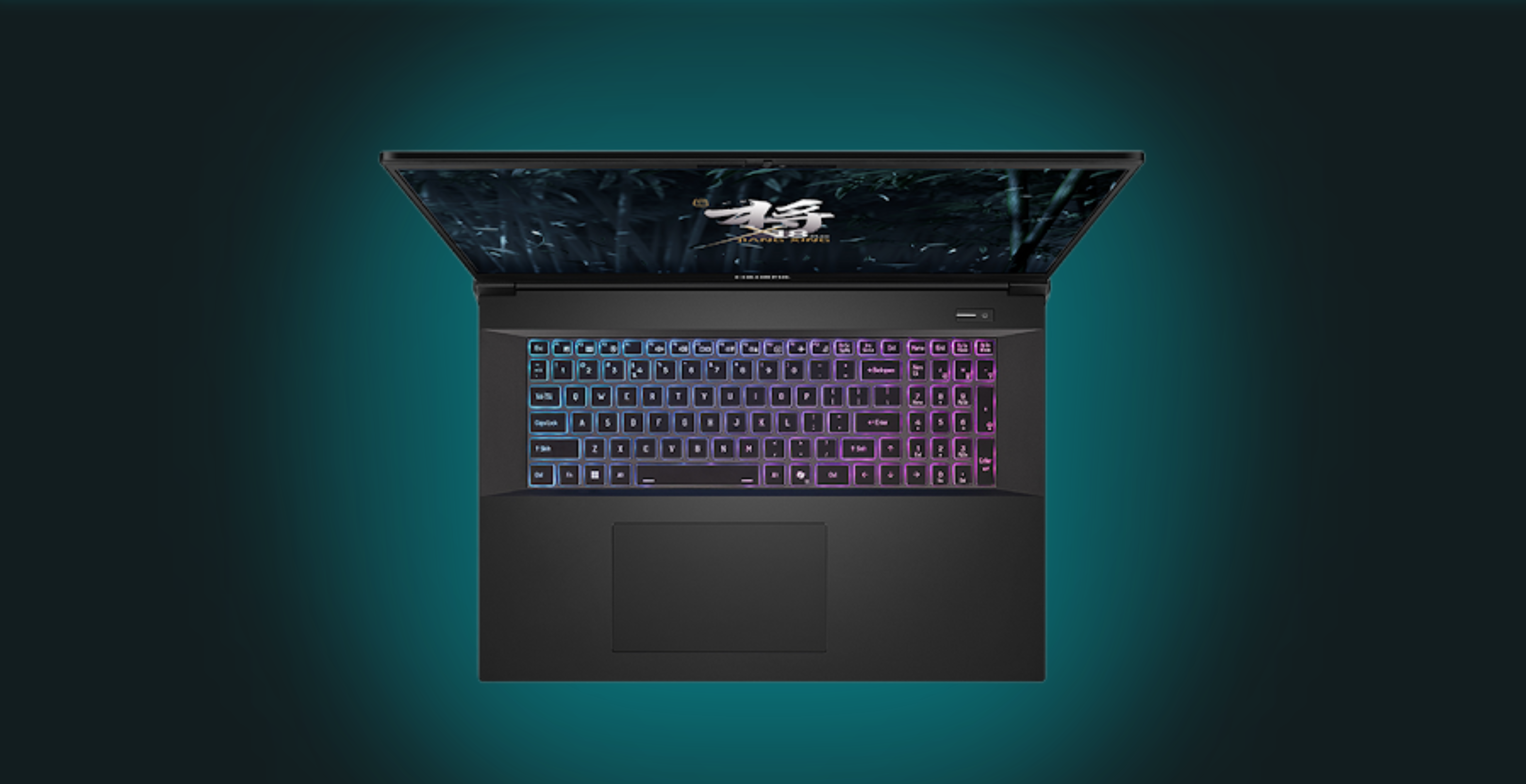
In Shenzhen, a city where technology and innovation intertwine, countless entrepreneurs set out every day with the dream of changing the world. They may want to subvert the home audio-visual experience with a mini host, or use customized laptops to give wings to education in remote areas, or use industrial computers to promote the intelligent transformation of factories... But the reality is often: the needs of developing brands are always overwhelmed by the standardization of the big market.
So, Jinghong was born.
In 2014, we started with a simple belief—"No matter how small the demand is, it deserves to be taken seriously." For 12 years, we have been deeply involved in the field of customization. From mini hosts to industrial computers, from laptops to fanless embedded devices, Jinghong has never stopped exploring how to use technology to "reduce the burden" of entrepreneurs' creativity.
We understand your struggle:
At Jinghong, these are not problems. Our production line has customized palm-sized medical terminals for rural clinics in Europe, built reinforced notebooks for desert environments for start-ups in the Middle East, and designed cost-effective all-in-one computers for African educational institutions... Behind the annual sales of 100,000 units, there are 100,000 unique stories.
Leveraging Shenzhen's high-tech industrial base to deliver agile engineering, fast validation, and cost-effective manufacturing.
Shenzhen's Guanlan district represents the core of high-performance computing hardware development. By integrating adjacent supply networks for components, PCBs, metals, and thermal design elements, Jinghong simplifies the hardware customization lifecycle. Our production methodologies align with Industry 4.0 standards, utilizing real-time quality data tracking, automated testing benches, and flexible assembly workflows to accommodate varied production run sizes.
From remote desert research stations to complex automated production floors, our hardware is designed for reliable execution.
In industrial settings, fanless PoE Mini PCs function as smart edge gateways. Installed on DIN rails or integrated directly into assembly machines, they handle real-time sensor monitoring, protocol translation, and central SCADA system connection via a single Ethernet link, reducing cable clutter.
For media networks in public facilities, airports, or shopping centers, running separate AC power lines to high-up displays is costly. PoE Mini PCs mount directly behind panels, drawing operational power and content updates through one CAT6 line, simplifying installation logistics.
In healthcare and retail, space and cleanliness are key. Fanless systems prevent dust circulation, while PoE connectivity allows sleek kiosk layouts without complex wiring. Centrally managed power systems also simplify diagnostic and reboot cycles.
Before leaving the factory, each device receives a unique QR code. Scanning this code provides access to its complete production history: from initial component allocation and BIOS setup to final multi-point quality testing. This transparency supports traceability and builds operational confidence.
Our designs support diverse operations worldwide. For example, Alex, a system designer from Russia, integrated our fanless industrial hosts to run outdoor automated terminal stations, scaling from initial trials to 2,000 units annually. In Spain, Maria launched specialized educational computers featuring customized inputs to assist students with physical challenges. At Jinghong, custom configuration is more than hardware; it is about enabling user-focused design.
Technical explanations to help systems designers and procurement managers make informed hardware decisions.
Most PoE Mini PCs operate under IEEE 802.3at (PoE+, up to 30W) or IEEE 802.3bt (PoE++, up to 60W or 90W) standards. This range supports energy-efficient x86 and ARM architectures (such as Intel Alder Lake-N, Elkhart Lake, or U-series core structures). If applications require high-wattage dedicated GPUs, systems can fall back to standard DC inputs, which are included alongside PoE capabilities on our boards.
Yes, our industrial fanless models use aluminum alloy enclosures with integrated passive heat pipes. This design conducts heat away from the CPU and internal components. It supports continuous operations in environments ranging from -20°C to 60°C without the risk of fan failure or dust buildup.
We provide comprehensive BIOS modifications, including PXE boot setup, Wake-on-LAN configurations, auto-restart settings after power loss, and hardware watchdog timers. These tools allow automated recovery and minimize the need for manual on-site troubleshooting.
Connecting power and data through one Ethernet line simplifies cable management and reduces deployment costs. In addition, IT administrators can monitor network traffic and cycle power to individual ports remotely through a central managed switch, making device reboots straightforward.
We maintain an agile, low-volume development approach. Clients can customize motherboard layouts, I/O ports, branding elements, and chassis designs without high initial order requirements. Every unit is logged with a QR code tracing its component history and assembly QC for transparency.
Browse additional systems, motherboards, and portable designs tailored for business, gaming, and edge deployment needs.
 JingHong Device