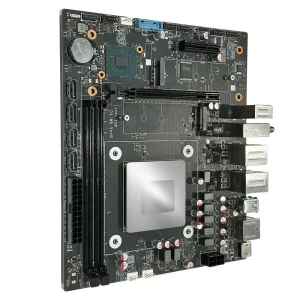
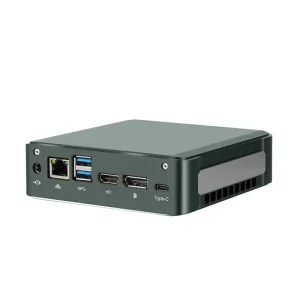
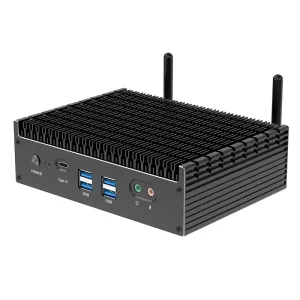
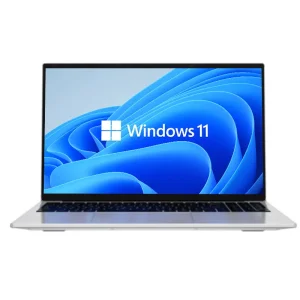
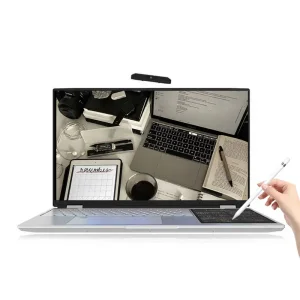
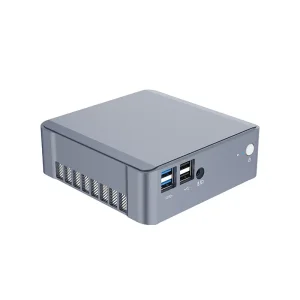
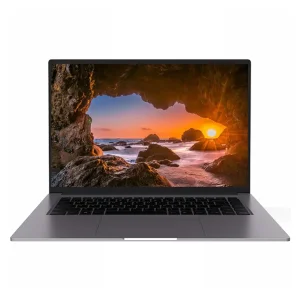
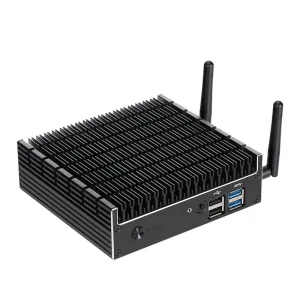
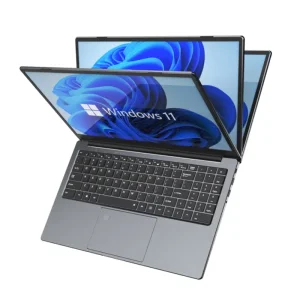
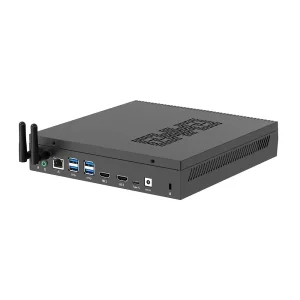
Factory-direct customization for business laptops, gaming laptops, dual-screen study laptops, mini PCs, fanless industrial computers, and 24/7 micro hosts — from one-unit prototypes to scalable global production.
Explore customized computing platforms for brand owners, distributors, education integrators, industrial automation teams, gaming operators, and enterprise procurement groups. Each product URL is preserved for direct sourcing and technical review.
The query “Custom De Laptops Companies & Factory” is not a generic shopping search. It is a high-intent B2B sourcing search made by buyers who need a factory capable of shaping hardware around a brand, a deployment environment, a software image, a budget, and a long-term service model.
In semantic search terms, this phrase connects several buyer-intent clusters: OEM/ODM laptop manufacturing, small-batch customization, Intel-based business laptops, gaming laptops, dual-screen education devices, fanless industrial mini computers, 24/7 industrial micro hosts, China factory-direct sourcing, and long-term after-sales support. The buyer is usually not asking only “what is available?” but “who can build it reliably, at my volume, with my specifications, and with transparent quality control?”
On this page, Custom De Laptops refers to customized laptop and compact-computer programs — including business laptops, gaming laptops, dual-screen study laptops, mini PCs, fanless industrial computers, and industrial micro hosts — built around a brand’s cost target, deployment environment, software stack, warranty policy, and regional compliance needs. A capable partner is not merely a supplier; it is a co-development team that can move from a sketch, sample, and pilot batch to stable volume production.
Jinghong’s experience since 2014 gives this guide a practical foundation: customized palm-sized medical terminals for rural clinics in Europe, reinforced notebooks for desert environments in the Middle East, one-hundred-dollar all-in-one computers for African educational institutions, industrial computers for gas-station modernization, and customized laptops for inclusive education. Behind annual sales of 100,000 units are 100,000 different stories — and each story begins with a requirement that deserves to be taken seriously.
This white paper is reviewed through the lens of Jinghong’s engineering, manufacturing, quality, and supply-chain experience in Shenzhen Guanlan. It is designed to help global buyers evaluate not only product specifications, but also the process maturity, transparency, and long-term serviceability behind a factory quotation.
| Buyer intent cluster | Typical sourcing question | What a factory must prove |
|---|---|---|
| Brand launch and small-batch OEM/ODM | Can you build 1–200 units with my logo, BIOS, packaging, and accessories? | Small-MOQ flexibility, design-for-manufacturing feedback, sample control, documentation, and clear version management. |
| Business laptop programs | Can you meet a target price while delivering a 16.1-inch display, reliable keyboard, battery life, and stable supply? | BOM transparency, component lifecycle planning, aging tests, packaging control, and warranty responsiveness. |
| Industrial mini PC and micro host sourcing | Can the device run 24/7, fanless, in a dusty or temperature-sensitive environment? | Thermal architecture, stress testing, vibration review, long-life components, and failure-analysis discipline. |
| Education, healthcare, and accessibility | Can the hardware support one-hand operation, dual screens, or rural-clinic deployment? | User-experience adaptation, durability, localized service planning, and trustworthy project communication. |
Demand is shifting from “one standard box for everyone” toward purpose-built computing: the right display, the right I/O, the right thermal design, and the right service model for a specific market.
Across North America, Europe, the Middle East, Africa, Latin America, and Asia-Pacific, organizations are extending computing beyond the office desk. Laptops and compact computers now support hybrid work, classroom learning, telehealth, retail point-of-service, warehouse operations, industrial automation, e-sports venues, field engineering, digital signage, and edge data collection. In many of these deployments, a standard consumer model is either over-specified, under-protected, or poorly matched to local power, language, software, and maintenance conditions.
That gap is where Custom De Laptops Companies & Factory capability becomes commercially important. A distributor may need a 16.1-inch business laptop with a familiar keyboard feel and a controlled cost structure. An education integrator may need dual-screen study laptops with simplified interaction. An industrial buyer may require a fanless mini computer that can work 24/7 in a cabinet, kiosk, or vehicle-adjacent environment. A gaming hotel may need high-performance metal-design laptops or RTX mini PCs that survive heavy daily use. A healthcare program may need a palm-sized terminal with a very specific mounting and cleaning workflow.
China remains central to this landscape because Shenzhen combines electronics sourcing, mechanical prototyping, board-level engineering, thermal design, testing services, and export logistics in a dense production ecosystem. For global buyers, the strongest factory relationships combine China’s speed and supply-chain depth with clear English communication, documented quality gates, and a realistic after-sales plan for the destination market.
Enterprise refresh cycles, accessibility programs, hybrid-work fleets, and distributor-led customization create demand for reliable business notebooks, dual-screen productivity devices, and serviceable mini PCs.
Education, healthcare, public-sector, and regulated industrial deployments often prioritize documentation, long lifecycle support, power-adapter regionalization, and transparent quality control.
High-temperature field use, reinforced notebooks, project-based procurement, and rugged industrial computing are important, especially where deployment sites are remote or service access is limited.
Education institutions and local assemblers seek affordable all-in-one computers, durable study laptops, and mini hosts that balance entry pricing with maintainability and long-term availability.
Retail, logistics, field service, and gaming venues require cost-effective hardware with regional power support, robust packaging, spare-parts planning, and practical warranty response.
Factory automation, edge computing, digital signage, education modernization, and gaming continue to drive demand for fanless mini computers, industrial micro hosts, and customized laptops.
Efficiency is not only speed. It is the ability to turn an unclear requirement into a manufacturable design, validate it, document it, and repeat it consistently.
Shenzhen’s advantage begins with proximity. Enclosures, displays, connectors, batteries, boards, thermal parts, power adapters, packaging, and test services are available within a mature electronics cluster. For a custom laptop or mini PC project, that proximity reduces the friction between industrial design, mechanical engineering, electronics, firmware, and pilot production. A design change that might take weeks in a fragmented supply chain can often be evaluated faster when engineering and sourcing sit close to the production line.
The second advantage is flexibility. A factory that is accustomed to custom work can support one-unit customization, small-batch pilot production, and scalable delivery without treating every small brand as an inconvenience. That matters because many new product lines begin with a validation order: 10 units for a field trial, 50 units for an education pilot, 200 units for a distributor launch, or 1,000 units for a regional rollout. The factory must be able to grow with the project rather than force the buyer into a premature volume commitment.
The third advantage is engineering feedback. A useful factory reviews thermal headroom, port placement, antenna space, battery safety, PCB stack-up, assembly tolerances, test coverage, and packaging drop risk before mass production. This is the practical meaning of design-for-manufacturing in the Custom De Laptops category. It protects the buyer from a visually attractive sample that cannot be produced, serviced, or certified in the real world.
Illustrative emphasis based on Jinghong’s customization workflow; not an industry-wide benchmark.
Early engineering review helps shorten the loop between product concept, mechanical fit, thermal design, electronics layout, and pilot assembly.
Support for trial orders, validation builds, branded packaging, and staged scale-up so buyers can test the market before committing to volume.
Access to components, adapters, displays, connectors, and enclosure resources within a mature Shenzhen manufacturing ecosystem.
Custom I/O, chassis adaptation, thermal structure, BIOS/logo customization, software image support, and deployment-specific accessories.
72 hours of rigorous testing covering high and low temperatures, vibration, and long-term load, with traceable inspection records.
Export packaging, regional power-adapter planning, labeling, and shipment preparation aligned with distributor or project-based delivery.
Customization becomes valuable when a generic product creates friction for the user, the installer, the service technician, or the procurement team.
Dual-screen study laptops can keep lesson content, collaboration tools, or assistive controls visible at the same time. Jinghong optimized one-handed operation interaction for Maria from Spain, helping her open the education market for disabled children. Affordable all-in-one computers for African educational institutions show how a cost-controlled configuration can still serve a meaningful learning mission.
Fanless mini computers and industrial micro hosts support factory cabinets, kiosks, gateways, and remote monitoring. Alex from Russia used Jinghong industrial computers to realize the intelligent transformation of gas stations, growing from 10 trial units to annual purchases of 2,000 units — a classic pilot-to-scale procurement path.
Palm-sized medical terminals for rural clinics in Europe require compact size, reliable operation, and adaptation to local workflows. Custom chassis, mounting, interface, and software-image choices can matter more than raw benchmark performance.
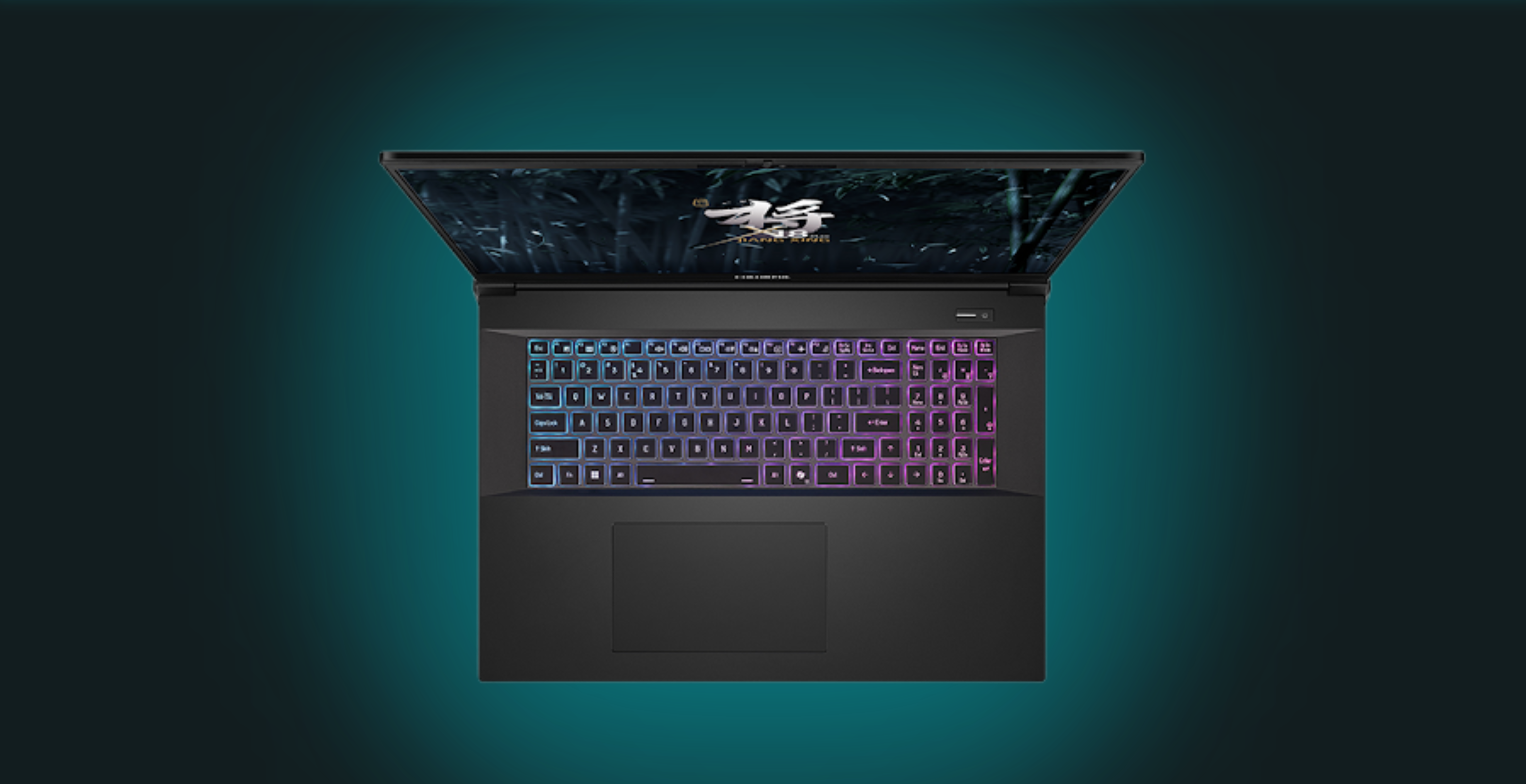
High-performance gaming laptops with metal design, RTX mini PCs, and cooling-focused structures support e-sports hotels, design studios, and entertainment venues that need sustained performance under heavy daily use.
Business laptops, mini hosts, and compact PCs can be configured for barcode workflows, POS stands, vehicle-adjacent use, signage, inventory rooms, and field teams that need specific ports and easy maintenance.
Reinforced notebooks for desert environments in the Middle East and antifreeze keyboards customized for polar scientific research show how hardware must adapt to temperature, dust, gloves, vibration, and limited service access.
The next phase of customization will be shaped by AI-enabled workloads, edge computing, modular I/O, security, repairability, and faster product cycles.
More buyers will ask for hardware that can support AI-assisted software, conference processing, local data filtering, and edge analytics. Thermal design, memory configuration, and platform choice become part of the customization discussion.
Fanless industrial mini computers and 24/7 micro hosts will continue to grow in factories, retail, kiosks, healthcare, and remote sites where dust, noise, maintenance access, or space are constraints.
Dual-screen laptops create differentiation for education, field service, mobile sales, and multitasking users. The key is not simply adding a display, but designing software, hinge, power, and one-hand usability around it.
Different markets need different ports: USB, DP, LAN, serial, GPIO, audio, or special mounting. Modular thinking helps buyers create one core platform with regional or industry-specific variants.
Enterprise buyers increasingly ask for secure boot, asset tagging, BIOS customization, software-image control, port security, device tracking, and documented update paths — especially in regulated or multi-site fleets.
Longer lifecycle planning, replaceable components, better battery management, efficient packaging, and clear spare-parts strategy are becoming part of total cost of ownership rather than optional extras.
A strong Custom De Laptops program is built on clear requirements, verified samples, documented quality, and a realistic plan for supply, service, and lifecycle management.
Define the user group, deployment environment, expected volume, price band, CPU/platform preference, memory, storage, display, battery target, I/O, OS, language, security, packaging, and certification expectations before comparing quotes.
Review a working sample, run user acceptance tests, and validate a pilot batch before volume production. Pilot feedback is especially important for education, healthcare, industrial, and field-service devices.
Clarify required certifications, regional power adapters, labeling, language packs, export documents, environmental requirements, and any sector-specific evidence needed by your end customer.
Discuss component lifecycle, alternative sourcing, change notifications, firmware revisions, and version control. A buyer should know how a factory manages substitutions without surprising the market.
Compare unit price together with warranty cost, failure rate, spare parts, shipping, packaging, software preparation, technical support, and the cost of managing changes after launch.
Confirm fault response time, replacement strategy, spare-parts availability, repair documentation, and escalation contacts. Jinghong’s target fault response time is less than 24 hours, supported by a 3-year warranty commitment.
Customize every possibility for the dream of small brands
In Shenzhen, a city where technology and innovation intertwine, countless entrepreneurs set out every day with the dream of changing the world. They may want to subvert the home audio-visual experience with a mini host, or use customized laptops to give wings to education in remote areas, or use industrial computers to promote the intelligent transformation of factories... But the reality is often: the needs of small brands are always overwhelmed by the standardization of the big market.
So, Jinghong was born.
In 2014, we started with a simple belief—“No matter how small the demand is, it deserves to be taken seriously.” For 12 years, we have been deeply involved in the field of customization. From mini hosts to industrial computers, from laptops to fanless embedded devices, Jinghong has never stopped exploring how to use technology to “reduce the burden” of entrepreneurs’ creativity.
We understand your struggle:
At Jinghong, these are not problems.
Our production line has customized palm-sized medical terminals for rural clinics in Europe, built reinforced notebooks for desert environments for start-ups in the Middle East, and designed one-hundred-dollar all-in-one computers for African educational institutions... Behind the annual sales of 100,000 units, there are 100,000 unique stories.

A customization partner should reduce uncertainty, not add another layer of risk. Jinghong’s role is to connect engineering, production, quality, and long-term service around the buyer’s real requirement.
Before each device leaves the factory, engineers will affix a unique QR code — scan it and you can see the birth log of this machine: from the source of chip procurement to the last quality inspection process, even including the signature of the assembly technician. Because we believe: transparency is the starting point of trust.
If you are also tired of “making do”, if you want your product to truly become an extension of the brand, welcome to the Jinghong factory in Guanlan, Shenzhen. Touch the antifreeze keyboard customized for polar scientific research, try the cool host designed for e-sports hotels, and you will find that the ambition of small brands should be listened to seriously.
Jinghong, customization is not just about hardware, but also the confidence of entrepreneurs to move forward.
Clear answers for brand owners, distributors, and procurement teams evaluating factory-direct customization.
It refers to companies and factories that provide customized laptop and compact-computer programs — including business laptops, gaming laptops, dual-screen study laptops, mini PCs, fanless industrial computers, and industrial micro hosts. Buyers typically need OEM/ODM support, brand customization, hardware adaptation, small-batch production, quality validation, and factory-direct communication.
Jinghong’s stated model supports one-unit customization and has no minimum order quantity threshold for customization. In practice, the engineering scope, tooling, certification, material, and setup costs should be discussed clearly, because a one-unit prototype and a repeatable production batch have different cost structures.
Timeline depends on whether the project uses an existing chassis and motherboard or requires new mechanical, thermal, BIOS, or I/O development. A realistic plan should separate sample approval, validation testing, pilot production, and volume delivery. Buyers should ask for a milestone schedule rather than a single optimistic delivery date.
Typical customization areas include CPU/platform selection, memory, storage, display, chassis color and logo, I/O ports, keyboard language, BIOS identity, software image, accessories, packaging, regional power adapters, thermal structure, mounting options, and warranty or after-sales documentation.
Jinghong’s production philosophy includes a self-developed heat dissipation structure for 50,000+ hours of stable mini host operation, 72 hours of rigorous testing covering high and low temperatures, vibration, and long-term load, a 3-year warranty commitment, and a target fault response time of less than 24 hours.
Education, healthcare, industrial automation, energy, retail, logistics, field service, gaming and e-sports venues, government projects, digital signage, and edge computing deployments commonly benefit. The common factor is a workflow or environment where standard hardware creates friction.
Buyers should confirm required certifications, regional power adapters, labeling, language packs, export documentation, packaging standards, spare-parts planning, and warranty responsibility before mass production. It is also important to agree on change notifications for components, firmware, and software images.
Compare engineering feedback quality, small-batch flexibility, thermal and reliability validation, BOM transparency, version control, communication speed, export experience, and after-sales discipline. A serious factory should be able to explain how it will manage the project from prototype to pilot to repeat production, not only quote a unit price.
Review additional customized business laptops, dual-screen study laptops, fanless mini computers, gaming devices, and industrial micro hosts. All product URLs are preserved for direct inquiry and specification review.
 JingHong Device