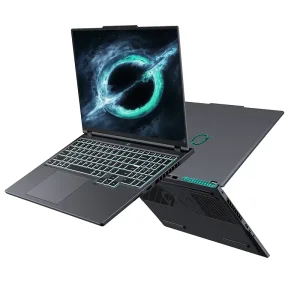
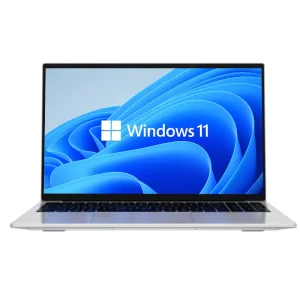
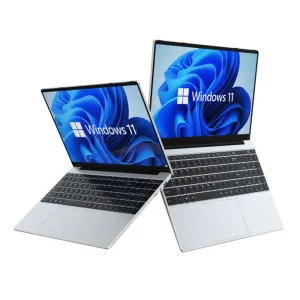
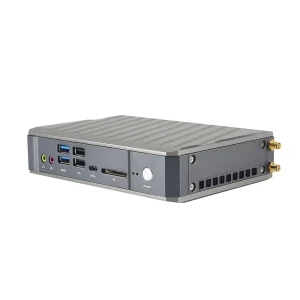
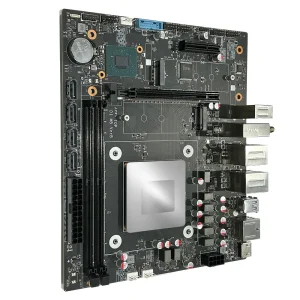
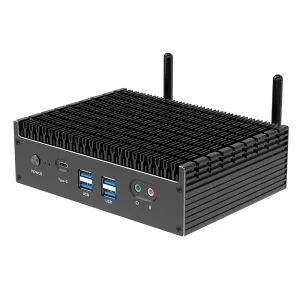
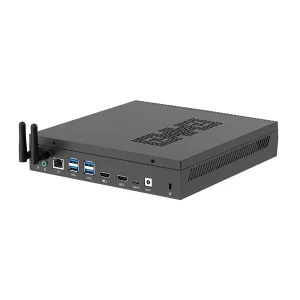
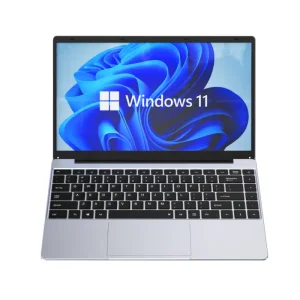
High-efficiency computing hardware optimized for 24/7 stability and low thermal design power (TDP).
In the contemporary digital era, the demand for computing power is no longer just about raw speed; it's about the Performance-per-Watt ratio. As global energy costs rise and ESG (Environmental, Social, and Governance) targets become mandatory for enterprises, the Low Power Mini PC has emerged as the cornerstone of modern infrastructure.
From the smart factories of Shenzhen to the digital signage networks in London, low-power systems (typically utilizing CPUs with 15W to 35W TDP) are replacing traditional towers. This shift is driven by the need for fanless reliability, reduced thermal footprints, and the miniaturization of hardware for edge computing applications.
The global mini PC market is projected to reach $19.8 billion by 2026, with industrial automation accounting for the highest growth rate.
Transitioning from 65W desktops to 15W mini PCs can reduce enterprise energy consumption by up to 75% across large-scale deployments.
Low power devices are essential for IoT gateways, enabling real-time data processing without the overhead of centralized servers.
Customize every possibility for the dream of small brands.
In Shenzhen, a city where technology and innovation intertwine, countless entrepreneurs set out every day with the dream of changing the world. They may want to subvert the home audio-visual experience with a mini host, or use customized laptops to give wings to education in remote areas, or use industrial computers to promote the intelligent transformation of factories... But the reality is often: the needs of small brands are always overwhelmed by the standardization of the big market.
So, Jinghong was born. Since 2014, we have been deeply involved in the field of customization. From mini hosts to industrial computers, from laptops to fanless embedded devices, Jinghong has never stopped exploring how to use technology to "reduce the burden" of entrepreneurs' creativity.

The evolution of low-power mini PCs is currently at a crossroads of three major technological breakthroughs: Silicon Heterogeneity, AI Acceleration, and Thermal Material Science.
| Phase | Key Technology | Target Application | Efficiency Gain |
|---|---|---|---|
| Current (2024) | Intel 7 Process (Comet Lake-U/Alder Lake) | Office, Digital Signage, POS | Baseline |
| Mid-Term (2025-2027) | NPU Integration (AI at the Edge) | Facial Recognition, Predictive Maintenance | +40% AI Performance |
| Long-Term (2028+) | Graphene Cooling & Solid-State Batteries | Zero-Maintenance Remote Hubs | +60% Lifespan |
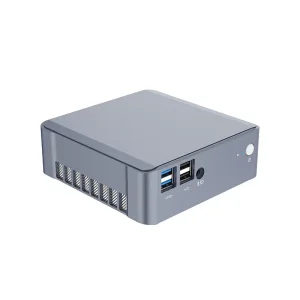
As a leading Custom Low Power Mini PC Factory, Jinghong is already implementing Intel 12th and 13th Gen architectures into our MU01 and GP1 series, ensuring that our clients are prepared for the next wave of computational requirements.
Our production line has customized palm-sized medical terminals for rural clinics in Europe, providing low-heat, silent operation in sensitive environments.
Alex from Russia used our industrial computers (WG1 series) to realize the intelligent transformation of gas stations, moving from 10 trials to annual purchases of 2,000 units.
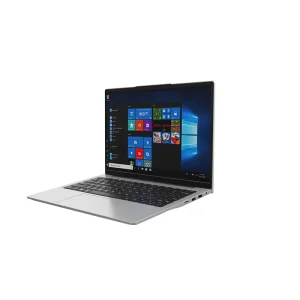
Designed $100 all-in-one computers for African educational institutions and customized laptops for Maria in Spain to support education for disabled children.

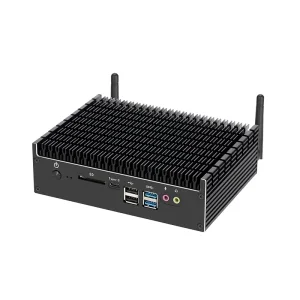
For industrial applications, "low power" is synonymous with "low heat," which is the precursor to "fanless design." Our WG1 series utilizes a passive cooling chassis, making it impervious to dust, moisture, and metallic particles that usually destroy standard PCs.
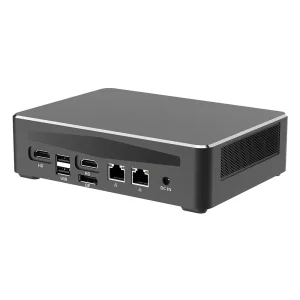
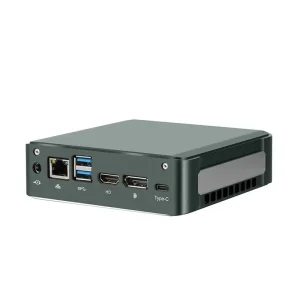
Meanwhile, the BQM2 Micro Mini PC focuses on space-constrained environments. By integrating HDMI and DP ports into a palm-sized form factor, we allow retail businesses to run high-definition 4K signage with a power draw lower than a standard LED light bulb.
Before each device leaves the Jinghong factory, engineers affix a unique QR code. Scanning it reveals the "Birth Log": from the source of chip procurement to the last quality inspection process, including the signature of the assembly technician. Transparency is our starting point for trust.
Jinghong is not a cold factory, but an amplifier of dreams. Explore our full range of customizable hardware below.
 JingHong Device