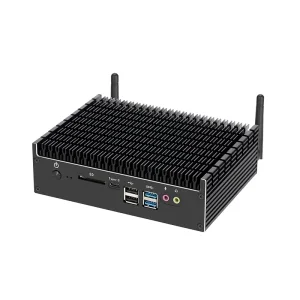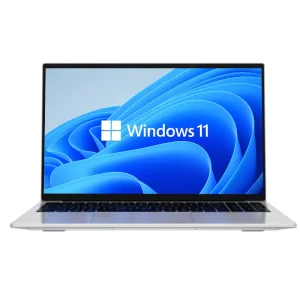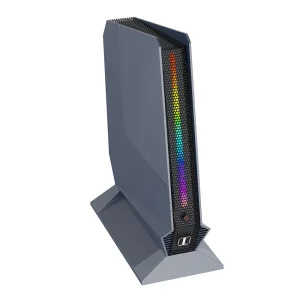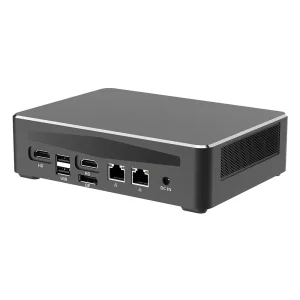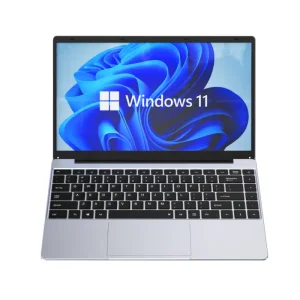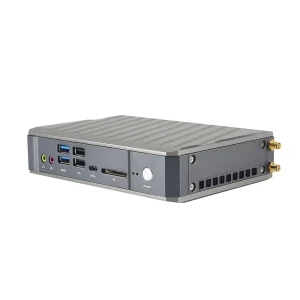
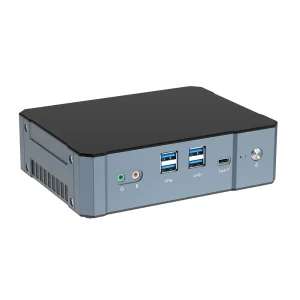
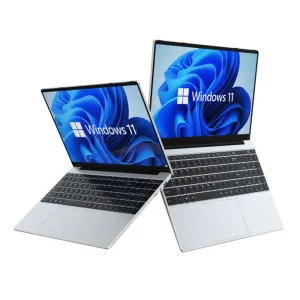
In the contemporary enterprise hardware landscape, the paradigm has shifted decisively from bulky, resource-heavy monolithic workstation towers to highly dense, thermally efficient, and specialized micro-computing architectures. As organizations strive for digital transformation under space-constrained and energy-conscious mandates, Custom Small Desktop Companies and Factories have emerged as critical drivers of local edge infrastructure.
This whitepaper addresses the design paradigms, global industrial application scenarios, hardware customization pipelines, and strict quality verification protocols that distinguish industry-leading small desktop manufacturers. Specifically, we explore how Jinghong, a premier hardware engineering partner headquartered in Guanlan, Shenzhen, has bridged the gap between raw silicon performance and specialized, localized application requirements. By aligning directly with key silicon architects like Intel, modern custom computer factories are rewriting the rules of deployment lifecycle management, mean-time-between-failures (MTBF) rates, and thermal engineering.
The global demand for small desktops (frequently referred to as mini PCs, micro hosts, or small form factor (SFF) computers) is growing exponentially across multiple industries. Traditional desktop deployments are plagued by high power draws, excessive thermal loads, spatial footprint inefficiencies, and complicated field serviceability. By contrast, a custom-designed small desktop minimizes local infrastructure overhead, while maximizing computation density.
To understand how high-spec customization is made viable at a global scale, one must look at the concentration of the computer hardware supply chain in Shenzhen, specifically within the Guanlan high-tech industrial zone. Shenzhen is not merely a manufacturing hub; it is an ecosystem of rapid prototyping, precision component sourcing, and joint-engineering integration.
At the Jinghong Factory, this proximity translates to unmatched agility. In a typical hardware development cycle, designing a custom motherboard layout (SBC or Single Board Computer) can take months in other markets. Within the Shenzhen industrial network, PCB design iterations, bios modifications, thermal sink tooling, and structural mockups can be completed in a fraction of the time. Because components—ranging from voltage regulators to complex solid-state capacitors—are sourced directly from verified primary suppliers, build quality is maintained, and costs remain predictable even for highly specialized short-run production batches.

Founded in 2014, Jinghong set out with a fundamental and disruptive engineering tenet: "No matter how small the demand is, it deserves to be taken seriously."
For nearly a decade, we have dedicated ourselves to the development of tailored hardware, shipping over 100,000 unique systems annually. Whether providing palm-sized medical terminals for clinics in remote European villages, reinforced notebooks engineered to withstand harsh desert conditions in the Middle East, or budget-optimized computing units for educational institutions in Africa, Jinghong acts as the direct enabler of global technological innovation.
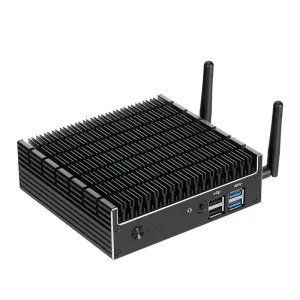
The primary engineering challenge of small desktop computers is thermal dissipation. When shrinking a standard system footprint down to a chassis volume of under 1 liter, standard convection currents are insufficient to cool performance silicon like Intel Core i7 or i9 processors.
Jinghong engineers have developed specialized passive heat dissipation structures and thermal modules utilizing direct-contact copper heat pipes, custom fin profiles, and high-conductivity thermal pads.
Reliability cannot be defined by speculation; it must be proven by strict testing processes. At our Shenzhen Guanlan factory facility, each custom micro computer undergoes a comprehensive 72-hour burn-in and environmental stress testing program:
The value of a custom small desktop factory lies in its ability to adapt hardware to the precise functional requirements of a business. Two real-world examples illustrate this:
Alex (Russia) - Industrial Gas Station Automation: Operating in extreme temperatures with volatile fuel vapors, Alex required highly durable, fanless industrial computers to control gas station pumps and process local POS data. Starting with 10 test units, our engineering team adjusted the thermal dissipation profiles to perform reliably in sub-zero Russian winters. Today, Alex's operations deploy over 2,000 units annually.
Maria (Spain) - Tailored Assistive Education: Maria needed specialized, durable laptops and micro-terminals for children with physical disabilities. Jinghong adjusted the input/output ports and optimized the interface design to support single-hand operation. These custom systems helped secure hardware approvals for special education institutions across Spain.

For international procurement departments evaluating SFF computing manufacturers, establishing vendor capability goes beyond comparing prices. To assist, we have compiled the following technical evaluation checklist:
| Evaluation Vector | Minimum Acceptable Standard | Jinghong Factory Capability |
|---|---|---|
| Minimum Order Quantity | Typically 50–100 units minimum per configuration. | Zero MOQ. 1 unit fully customizable for prototypes. |
| Thermal Longevity | 20,000 operational hours average MTBF. | 50,000+ hours with customized passive thermal blocks. |
| Silicon Partnerships | Third-party distributor sourcing. | Direct Intel strategic partner integration and roadmaps. |
| Traceability | Standard batch-level tracking. | Unique unit QR codes documenting the complete build log. |
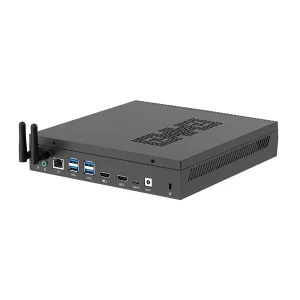
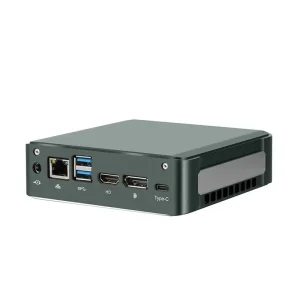
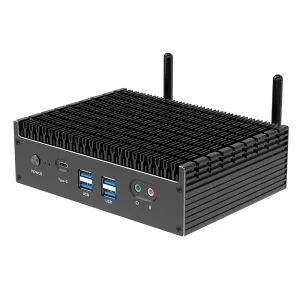
 JingHong Device