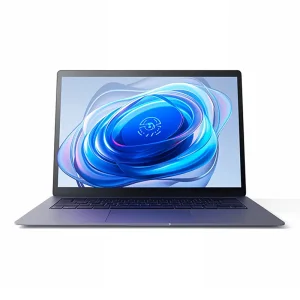
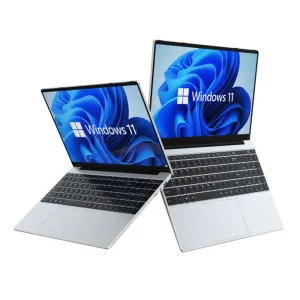
Explore our flagship microform computing systems designed for performance, high display availability, and low thermal signatures.
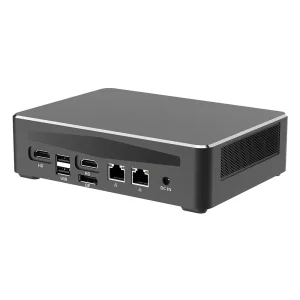
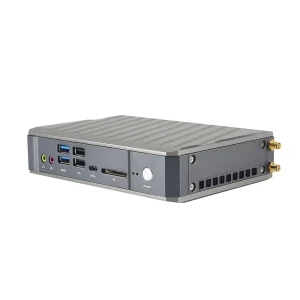
From centralized workspaces to low-power edge compute matrices—why micro systems are transforming standard operational infrastructure.
The global computer hardware landscape is undergoing a systemic transition. Standard mid-tower and full-sized computing towers are increasingly obsolete across modern commercial enterprise infrastructures. In their place is the rapid adoption of Micro PC builds—ultra-compact computing platforms designed with small form factor boards, passive heat dissipation frameworks, and high density input-output modules. Historically, mini computing designs suffered from strict thermal thresholds and integrated graphics bottlenecks. Today, industrial advancements have enabled processors like the Intel Core i7 and multi-display hubs (such as 4-monitor arrays) to run within physical spaces smaller than a standard paperback book.
Across North American, European, and Asia-Pacific markets, procurement priorities have shifted from raw desktop size to compute density. Micro PCs serve as the backbone of automated smart grids, interactive terminal displays, medical visualization centers, and space-constrained office complexes. According to current semiconductor supply statistics, the Mini PC market is projected to expand significantly, driven by enterprise requirements for energy efficiency, virtualization support, and fanless operating systems that protect against industrial dust and particulates.
Utilizing high-performance architectures such as Intel 12th & 13th Gen i7 solutions, these boards achieve optimal compute capacity per cubic millimeter.
Engineered with fanless structural cooling pipelines, enabling stable performance over 50,000 continuous operating hours under volatile environmental conditions.
Native architecture backing up to 4 simultaneous displays via high-bandwidth DisplayPort and HDMI ports for multi-threaded operation.
Customizing every possibility for the dream of small brands
In Shenzhen, a city where technology and innovation intertwine, countless entrepreneurs set out every day with the dream of changing the world. They may want to subvert the home audio-visual experience with a mini host, or use customized laptops to give wings to education in remote areas, or use industrial computers to promote the intelligent transformation of factories... But the reality is often: the needs of small brands are always overwhelmed by the standardization of the big market. So, Jinghong was born.
In 2014, we started with a simple belief—"No matter how small the demand is, it deserves to be taken seriously." For 9 years, we have been deeply involved in the field of customization. From mini hosts to industrial computers, from laptops to fanless embedded devices, Jinghong has never stopped exploring how to use technology to "reduce the burden" of entrepreneurs' creativity.
We understand the modern brand's struggles: Are you anxious because you can't find a factory willing to take small batch orders? Are you slowed down by complex hardware adaptation issues? Are you worried that small brands will find it difficult to obtain the same quality assurance as large companies? At Jinghong, these are not problems.

Our agile production lines have customized palm-sized medical terminals for rural clinics in Europe, built reinforced notebooks for desert environments for start-ups in the Middle East, and designed one-hundred-dollar all-in-one computers for African educational institutions... Behind our annual sales of 100,000 units, there are 100,000 unique stories.

Leveraging the world's most integrated hardware supply chain to deliver rapid turnaround times, cost optimization, and premium build quality.
The geographic epicenter of the Micro PC manufacturing industry is Guanlan, Shenzhen. This industrial cluster represents a highly optimized ecosystem where component suppliers, Surface Mount Technology (SMT) assembly centers, testing facilities, and chassis factories operate in physical proximity. While standard global manufacturers require months to adapt an existing motherboard design for custom IO configurations, our facility executes custom layout designs, CNC casing molds, and physical verification cycles in a fraction of that time.
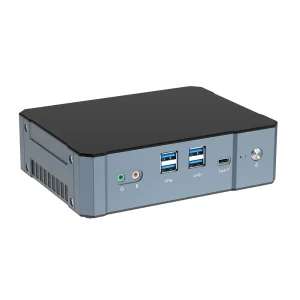
This structural proximity eliminates logistic friction. The integration between component sourcing and assembly directly impacts reliability. By partnering directly with tier-1 silicon providers, we receive direct chip-on-board architecture layouts from Intel, enabling us to configure complex BIOS level protocols and customize thermal envelopes for our systems, such as the GM3 13th Gen Mini PC or the low-power BQM2 Intel Micro PC.
Our engineers take a custom schematic from board layout to physical testing in days rather than months. We integrate customized cooling designs and structural changes with minimal overhead costs.
Every device that rolls off the line goes through a demanding 72-hour burn-in phase. This includes temperature fluctuations (-20°C to 60°C), vibration tests simulating harsh freight, and power-cycle checks.
Providing high-grade components, flexible pricing models, and strategic long-term technical support.
Where compact computing meets extreme environment demands. Real-world solutions tailored to actual operational workflows.
As demonstrated by our deployment with Alex in Russia, our industrial-grade PC platforms operate as central gateways, running point-of-sale systems, pump monitoring, and outdoor digital panels in freezing temperatures. Custom casings withstand vibrations and power line spikes typical of remote roadside locations.
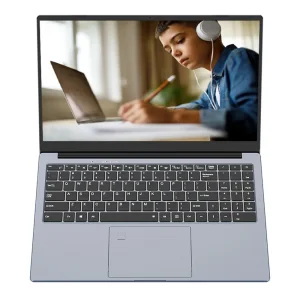
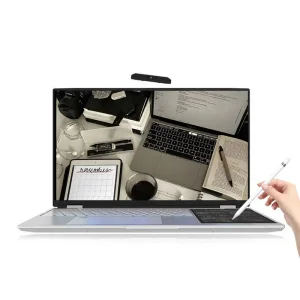
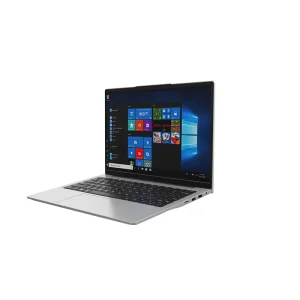
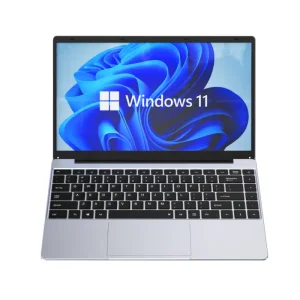
Collaborating with clients like Maria in Spain, we manufacture custom portable platforms with specific user interfaces, screen angles, and durable input modules. Our 15+7 Inches Dual Screen Study Laptop enables simultaneous workspace and reference-document displays, optimizing online learning and accessibility tasks.
From rural clinics in Europe to advanced triage centers, our fanless Micro PCs (such as the Low-Power BQM2) run diagnostic software silently. Fanless cooling prevents airborne dust propagation, which is vital for sterile environments. Standard VESA mounts allow deployment directly behind medical monitors.
Prepare your enterprise hardware sourcing roadmap for upcoming developments in IoT, Edge AI, and sustainable procurement.
Looking ahead, the demand for mini systems is merging with Edge AI workloads. Modern neural network inference tasks require discrete co-processing or highly optimized integrated neural processing units (NPUs). Sourcing departments must ensure that the Micro PC chassis they source today can support upcoming chip generations without requiring a rebuild of their mountings, power distribution frameworks, or display configurations.
Furthermore, ESG (Environmental, Social, and Governance) compliance requires a focus on energy efficiency. Systems like the BQM2 DP HDMI low-power micro PC reduce electricity consumption by up to 60% compared to traditional desktop systems. Sourcing teams must prioritize hardware platforms that have verified MTBF (Mean Time Between Failures) reports, accessible certification paths (CE, FCC, RoHS), and component transparency.
Technical answers regarding custom builds, factory capacity, component sourcing, and warranty agreements.
Before each device leaves the factory, engineers will affix a unique QR code - scan it and you can see the birth log of this machine: from the source of chip procurement to the last quality inspection process, even including the signature of the assembly technician. Because we believe: transparency is the starting point of trust.
If you are also tired of "making do", if you want your product to truly become an extension of the brand, welcome to the Jinghong factory in Guanlan, Shenzhen. Touch the antifreeze keyboard customized for polar scientific research, try the cool host designed for e-sports hotels, and you will find that the ambition of small brands should be listened to seriously.
Jinghong, customization is not just about hardware, but also the confidence of entrepreneurs to move forward.
Additional form-factor options, enterprise-grade mobile workstations, and energy-efficient office systems.
 JingHong Device