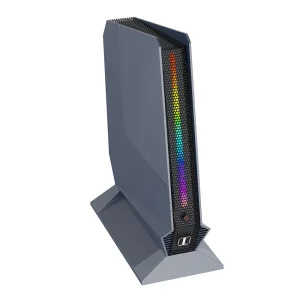
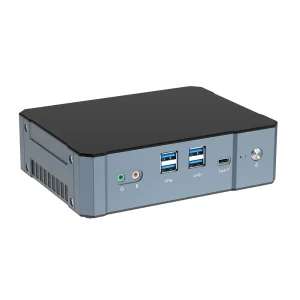
Explore our baseline hardware platforms. Each architecture is engineered for low latency, efficient thermal management, and robust peripheral integration, catering to commercial, educational, and industrial requirements worldwide.
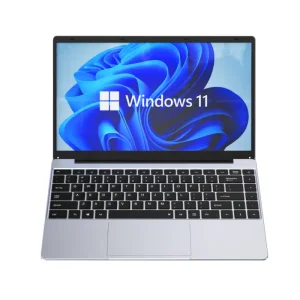
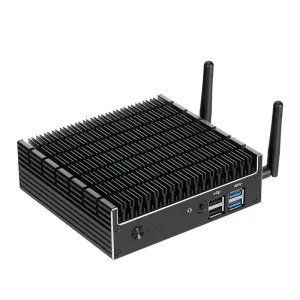
The global hardware ecosystem is undergoing a major paradigm shift. The demand for massive, high-power desktop towers has fragmented. In its place, enterprise buyers, industrial systems integrators, and educational institutions are prioritizing space optimization, energy efficiency, and modular hardware layouts. This trend has established the Mini Netbook and the Small Form Factor (SFF) Mini PC as critical components of the modern IT ecosystem.
Across the United States, the European Union, and rapidly developing regions in the Middle East and Southeast Asia, compact computational endpoints are no longer limited to basic, low-power processing tasks. With the integration of high-bandwidth I/O interfaces, DDR4/DDR5 memory architecture, and multi-core embedded processors, these devices now support edge AI processing, industrial IoT sensor integration, and high-performance multi-monitor configurations.
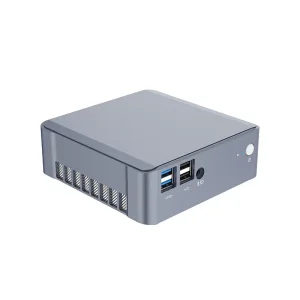
Modern offices are adopting ultra-compact hosts that can be mounted directly behind VESA-compliant displays. This reduces desktop footprint, lowers total power consumption by up to 60% compared to traditional 300W workstations, and simplifies hardware replacement lifecycles.
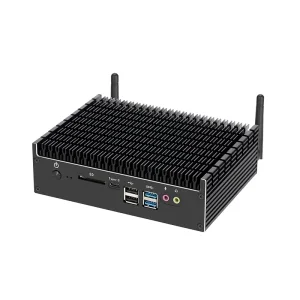
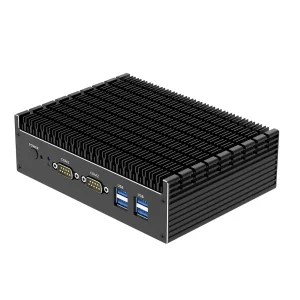
Industrial automation lines require specialized computing units that can withstand electrical noise, high temperatures, and constant vibration. Fanless design platforms serve as critical communication gateways on factory floors, linking legacy programmable logic controllers (PLCs) with cloud-based analytics engines.
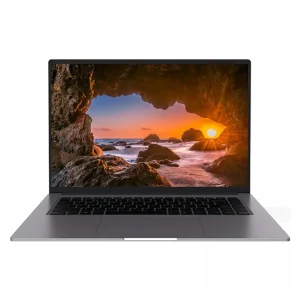
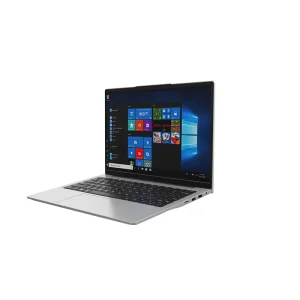
Developing markets require highly reliable, low-cost portable computers. Lightweight, energy-efficient notebooks allow schools to set up mobile computer labs, bringing digital tools to classrooms without overstretching regional power grids.
The technical design of mini PCs and notebooks is defined by the balance between thermal design power (TDP) and performance. The transition to advanced silicon processes (such as Intel® Core™ platforms and low-power, multi-core architectures) allows system designers to extract desktop-grade capabilities out of chassis volumes under 1 liter.
Active cooling systems are prone to mechanical wear, especially in dust-heavy industrial environments. Fanless cooling represents a major engineering achievement for compact computing platforms. By designing the external aluminum alloy casing to act as a primary heatsink, heat is transferred away from the CPU using direct-contact copper heat pipes.
This passive cooling method eliminates dust buildup inside the chassis, prevents mechanical fan failures, and raises the Mean Time Between Failures (MTBF) past 50,000 operational hours.
Compact computing units must serve as versatile communication hubs. Our designs prioritize dense physical connectivity interfaces, including dual Gigabit Ethernet ports (essential for network redundancy and software-defined routing), DisplayPort (DP), HDMI, and high-speed USB 3.0/Type-C interfaces.
This enables simultaneous multi-screen displays, high-speed external storage access, and seamless integration into legacy industrial systems.
To demonstrate the performance of our customized hardware solutions, we look at real-world deployments where standard computers fail to meet specific requirements.
Operational Challenge: A major regional energy distributor required a controller to manage fuel dispenser telemetry, digital payment processing, and safety cameras at hundreds of retail stations. Standard office computers suffered frequent failures due to fuel vapor, extreme seasonal temperatures (-25°C to +40°C), and power fluctuations.
Customized Solution: We deployed an industrial fanless mini PC based on the MU02 platform. The system featured a reinforced aluminum chassis, wide-voltage input range protection, and dual real-time LAN controllers. By transitioning from consumer-grade hardware to our fanless industrial platform, the client scaled their operations from 10 pilot sites to over 2,000 installations, lowering maintenance dispatches by 85%.
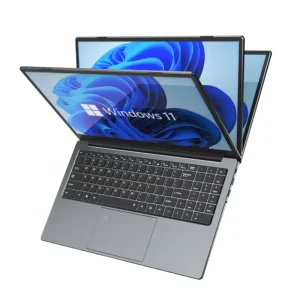
Operational Challenge: A specialized educational non-profit organization required an adaptive laptop designed for children with physical mobility challenges. Standard laptops lacked screen space for assistive communication software and were difficult for students to carry and set up independently.
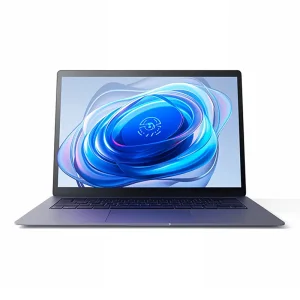
Customized Solution: We designed a customized 15+7 inch dual-screen notebook. The primary display runs standard educational software, while the integrated 7-inch secondary touch display hosts interactive accessibility tools and virtual keyboards. The custom firmware supports one-handed input modes and drop-resistant casing, helping the organization integrate these digital systems across dozens of inclusive classrooms.
"Customize every possibility for the dream of small brands."
In Shenzhen, a global hub of technology and rapid prototyping, countless entrepreneurs start out with ideas to transform home media setups, digitize remote schools, or automate industrial workspaces. However, standard mass manufacturing often ignores the needs of growing brands by demanding large minimum order quantities (MOQs).
Jinghong was established in 2014 to address this gap. Operating out of Guanlan, Shenzhen, we have spent the past nine years developing flexible customization services for client partners worldwide. From fanless embedded units to multi-display laptops, we turn hardware concepts into production-ready designs.


The future of compact hardware design focuses on balancing processing power with thermal output. As silicon fabrication nodes shrink, we are tracking several key technologies for our next generation of products:
Integrating Neural Processing Units (NPUs) directly into system silicon enables real-time inferencing on the edge. This allows our mini PCs to process complex video and sensor data locally, reducing reliance on cloud computing bandwidth.
Transitioning to USB-C Power Delivery (PD) protocols simplifies installation layouts. A single cable can deliver power, transmit video data, and support high-speed peripheral connections, reducing cable clutter in complex setups.
Future product designs will feature toolless, modular drive bays and I/O plates. This allows users to easily swap storage drives, upgrade wireless cards, or add serial ports without needing to replace the entire computer system.
Here are detailed answers to technical and customization questions from hardware specifiers and industrial systems integrators.
Select from our range of modular and customizable hardware platforms. Review specific models below to match your processing, thermal, and mechanical layout requirements.
Whether you require high-stability industrial hosts for harsh environments, specialized multi-display computers for classrooms, or high-performance mini units for business networks, our engineering team can help.
Request Hardware Consultation JingHong Device