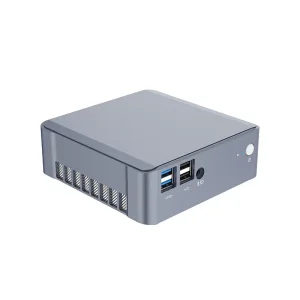
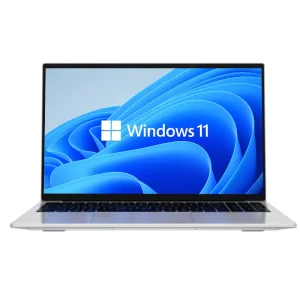
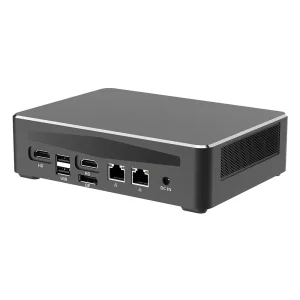
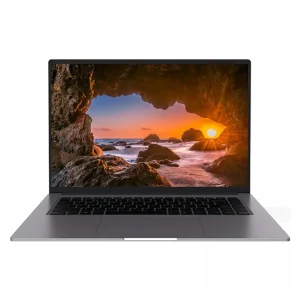
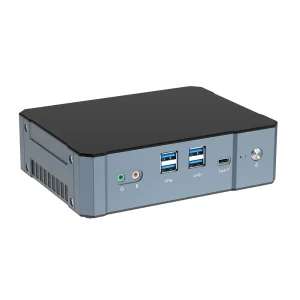
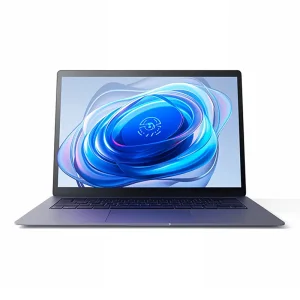
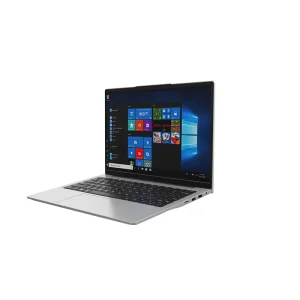
Explore our flagship catalog of high-density custom slim gaming PCs, dual-screen enterprise laptops, and custom fanless industrial systems.
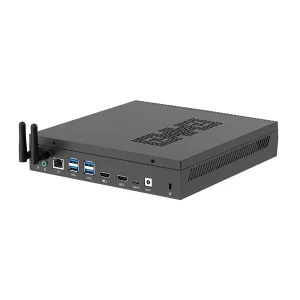
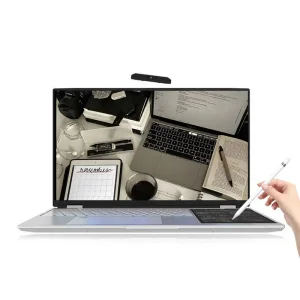
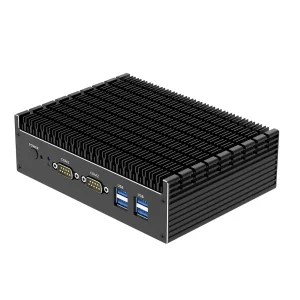
An Industrial Whitepaper on Spatial Optimization, Thermal Engineering, and Custom Hardware Solutions for Modern B2B Sectors
Historically, raw computing power and graphical performance required massive, power-hungry tower chassis. In modern commercial deployments—ranging from e-sports hotels, spatial computing laboratories, VR-assisted medical clinics, to real-time industrial visual inspection hubs—large form factors have become liabilities. High-density, high-thermal efficiency architectures are no longer a luxury; they are a spatial necessity.
The term "Custom Slim PC Gaming" has transcended its consumer roots. Today, it describes an elite class of ultra-compact, high-performance computing platforms that pack discrete graphics processing (GPUs) and multi-core enterprise CPUs (such as Intel Core i7 and i9 variants) into chassis under 4 liters. These devices serve critical business goals: reducing spatial footprints, lowering energy footprints, simplifying thermal management, and optimizing setup mobility without sacrificing high-performance GPU capabilities.
Across the Americas, European Union, and Asia-Pacific regions, B2B procurement patterns show a sharp rise in demand for custom slim computing systems. Global enterprise buyers are prioritizing micro form factors due to several structural factors:
E-sports venues, training academies, and corporate offices are facing escalating square-footage costs. Transitioning from standard ATX towers to micro-slim form factors yields up to a 65% reduction in workspace footprint, letting operators fit more revenue-generating units into their floor plan.
Standard gaming rigs consume 500W to 800W, driving up electricity demands and central cooling requirements. Engineered micro hosts run optimized BIOS and power curves, delivering high computing performance per watt (typically 120W-230W under full load). This cuts operating costs and HVAC system strain.
Deploying heavy desktop systems in bulk carries high shipping costs and complex installation routines. Slim PCs, weighing under 3kg, can be mounted behind VESA screens, under desks, or in compact server drawers. This speeds up deployment, lowers shipping costs, and simplifies swap-and-replace maintenance.
How modern material science and engineering principles resolve the conflict between high TDP and micro form factors.
In thin-profile PC manufacturing, thermal throttling is the biggest challenge. A standard graphics card and CPU generate massive heat under load. Our engineering roadmap addresses this challenge using four pillars of innovation:
Integrating vapor chamber plates and copper heatpipes with liquid metal interfaces allows heat transfer speeds that outperform standard thermal paste. This technology keeps GPU temperatures under 78°C under continuous load.
We work directly with Intel and NVIDIA chipsets to design custom PCBs, optimizing component layouts for clean air paths. This custom layout avoids hotspots and allows for extremely thin case designs.
Standard motherboards struggle with high temperature shifts. Our custom BIOS features dynamic TDP regulation. This allows hardware to scale performance smoothly based on the workload, avoiding sudden thermal spikes.
The next phase of slim gaming PC development focuses on AI acceleration. Integrating dedicated hardware accelerators (NPU blocks) alongside RTX GPUs in slim chassis prepares systems for AI inference, local data modeling, and deep learning algorithms. Whether powering next-generation gaming environments or edge computing setups in manufacturing plants, slim PCs are evolving into essential, low-latency B2B platforms.
Customize Every Possibility for the Dream of Small Brands
In Shenzhen, a city where technology and innovation intertwine, countless entrepreneurs set out every day with the dream of changing the world. They may want to subvert the home audio-visual experience with a mini host, or use customized laptops to give wings to education in remote areas, or use industrial computers to promote the intelligent transformation of factories... But the reality is often: the needs of small brands are always overwhelmed by the standardization of the big market.


In 2014, we started with a simple belief: "No matter how small the demand is, it deserves to be taken seriously." For 9 years, we have been deeply involved in the field of customization. From mini hosts to industrial computers, from laptops to fanless embedded devices, Jinghong has never stopped exploring how to use technology to "reduce the burden" of entrepreneurs' creativity.
We understand your struggle: Are you anxious because you can't find a factory willing to take small batch orders? Are you slowed down by complex hardware adaptation issues? Are you worried that small brands will find it difficult to obtain the same quality assurance as large companies?
At Jinghong, these are not problems. Our production line has customized palm-sized medical terminals for rural clinics in Europe, built reinforced notebooks for desert environments for start-ups in the Middle East, and designed one-hundred-dollar all-in-one computers for African educational institutions... Behind the annual sales of 100,000 units, there are 100,000 unique stories.
Customized service like a partner
Production philosophy that lets quality speak
We remember the first order of every customer:
Ensuring cross-border compliance, verified quality assurance, and end-to-end global logistical support.
Operating a global supply chain requires strict adherence to international quality and safety standards. Our manufacturing lines in Guanlan, Shenzhen, are ISO 9001:2015 certified, and all custom gaming systems, mini PCs, and notebooks meet international export requirements.
We handle all required global certifications, including CE, FCC, RoHS, CCC, KC, and PSE. This ensures our hardware integrates seamlessly and legally into enterprise environments in Europe, the Americas, and Asia.
Every unit undergoes strict environmental chamber testing. We test hardware from -10°C to 60°C to ensure stable performance for industrial or outdoor deployments, avoiding thermal throttling and system failure.
Our customs team manages international duty clearance, hazardous materials certifications for internal lithium-ion batteries, and safe transport packaging. We minimize transit times to protect your supply chain.
Direct answers from our engineering and sales teams regarding customization options, lead times, and global shipping policies.
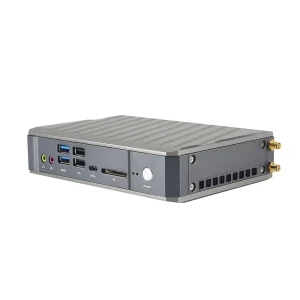
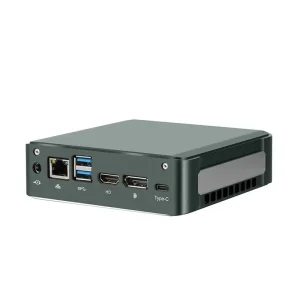
Explore our high-performance business laptops, multi-port mini PCs, and dual-channel computing platforms.
 JingHong Device