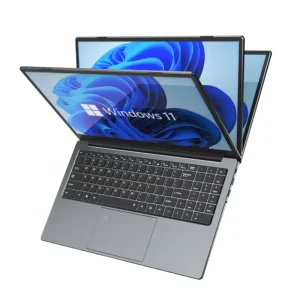
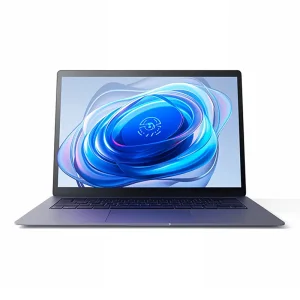
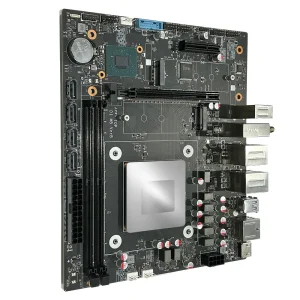
Explore our high-density business laptops, stable micro mini hosts, and dedicated graphics platforms engineered to optimize physical footprints without sacrificing computational capability.
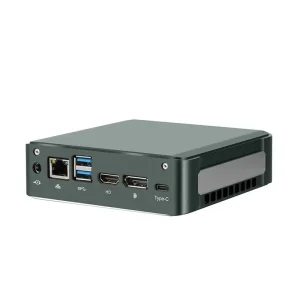
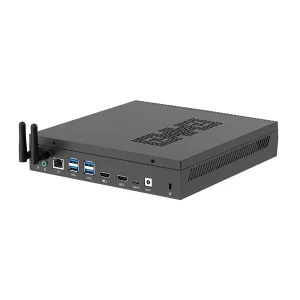
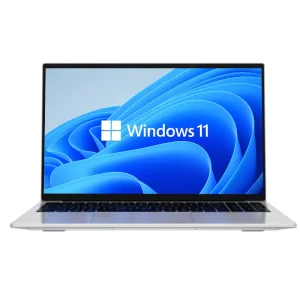
Modern enterprises face a critical challenge: provisioning computing power across diversified structural environments without inflating administrative costs or taking up large physical footprints. Procurement executives at tier-one organizations are shifting away from rigid off-the-shelf options in favor of customized computing form factors that offer maximum hardware flexibility.
Whether implementing high-density dual-screen layouts for virtual education platforms, or deploying ruggedized small laptops for desert exploration operations, custom engineering ensures compatibility with legacy systems, application-specific port layouts, and targeted power usage profiles.
Eliminating rigid volume commitments. Start with single digits for validation.
Direct channel relations with Intel and major GPU fabricators ensure raw component consistency.

Translating strict manufacturing frameworks into empirical indicators of stability, performance, and international scale.

In Shenzhen, a city where technology and innovation intertwine, countless entrepreneurs set out every day with the dream of changing the world. They may want to subvert the home audio-visual experience with a mini host, use customized laptops to give wings to education in remote areas, or use industrial computers to promote the intelligent transformation of factories... But the reality is often that the needs of growing brands are overlooked by the standardizing parameters of the mass market.
So, Jinghong was born.
In 2014, we started with a simple belief—"No matter how small the demand is, it deserves to be taken seriously." For over 9 years, we have been deeply involved in the field of hardware customization. From mini hosts to industrial computers, from laptops to fanless embedded devices, Jinghong has never stopped exploring how to use technology to "reduce the burden" of entrepreneurs' creativity.
Our production lines have customized palm-sized medical terminals for rural clinics in Europe, built reinforced notebooks for desert environments for start-ups in the Middle East, and designed cost-effective all-in-one computers for African educational institutions. Behind the annual sales of 100,000 units, there are 100,000 unique stories.
We bridge the gap between large-scale manufacturing infrastructure and flexible bespoke configurations.
We eliminate standard minimum order constraints. Enterprises can access custom board layouts, BIOS branding, and specialized I/O integration starting from a single prototype, mitigating initial financial risk.
Our in-house thermal engineering department develops custom heat pipe, heatsink, and fanless configurations, ensuring our micro PCs run continuously for over 50,000 hours in challenging conditions.
We back our industrial computing modules and custom small laptops with a 3-year warranty program, supported by a 24-hour technical SLA and component lifecycle guarantees to prevent obsolescence.
How custom form factors drive system reliability, digital equity, and operational efficiency across disparate industrial environments.
In remote, hazardous, or high-vibration settings, conventional commercial PCs present frequent points of failure. For example, our industrial computing systems serve gas station networks across Eastern Europe and Russia. By removing failure-prone mechanical cooling components and sealing the chassis against dust and environmental vapors, these systems run automated pump controls and payment interfaces 24/7/365.
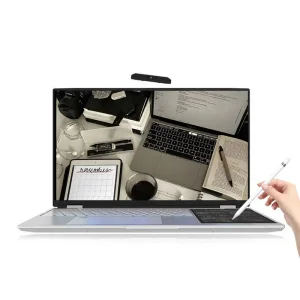
Global learning institutions require durable hardware that fits constrained budgets. Our dual-screen and custom small-footprint laptops (ranging from 15.6-inch configurations to complex multi-display learning rigs) provide accessible compute portals. From European special education programs (where we optimized one-handed interaction touchpoints for disabled children) to classrooms in developing economies, we adapt layouts to project needs.
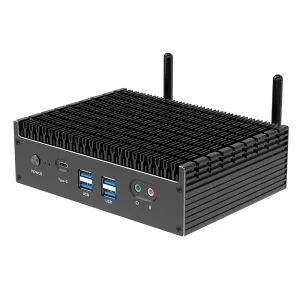
Healthcare expansion in rural clinics requires small-footprint systems that integrate with specialized diagnostic gear. We manufacture fanless mini hosts and high-resolution display modules tailored to the power grids of rural communities. The lack of air filters and internal fans reduces dust circulation inside sterilized clinic rooms, supporting clean medical workflows.
Processing video streams and local telemetry requires mini computers equipped with independent graphics processing units (GPUs). Utilizing mobile RTX 3050 Ti modules inside compact chassis allows industrial operations to analyze data on the factory floor, avoiding the latency and transmission costs of cloud servers.
Examine the design decisions that define our stable small laptops, mini hosts, and core motherboards.
Unlike standard consumer boards, our internally developed layouts use multi-layer, high-density PCBs. This design reduces electromagnetic noise and maintains structural integrity under sustained vibration.
By matching the thermal characteristics of the processor with custom cooper pipes and external fin structures, our enclosures act as heat sinks, allowing for fanless operation with zero dust entry.
Combining performance-focused components into a smaller chassis requires precise power and thermal budgeting. We coordinate component layouts to prevent thermal throttling and ensure stable display outputs.
Our future engineering focus centers on integrating next-generation silicon form factors and eco-friendly manufacturing methods. We are prototyping small laptops featuring modular components that allow users to upgrade memory, storage, and I/O daughterboards with basic tools. This design helps extend the operational life of the device, reducing electronic waste. Additionally, we are incorporating AI-driven NPU (Neural Processing Unit) sub-processors to run real-time local workloads on our low-power mini PC systems.
Reliability starts with transparent documentation. Before leaving the factory, each custom notebook, mini host, or system motherboard is marked with a traceable tracking code. Scanning this code shows the build details of the machine: from initial board design to component sourcing, final stress testing logs, and assembly signatures.
Our standard testing framework includes:
We maintain CE, FCC, RoHS, and CCC certifications, ensuring that our products meet the regulatory standards required for deployment in international corporate networks.
Direct technical answers regarding hardware customization, production capability, and design specifications.
Review additional mini computing solutions, high-performance graphics platforms, and custom motherboard options available for bulk procurement.
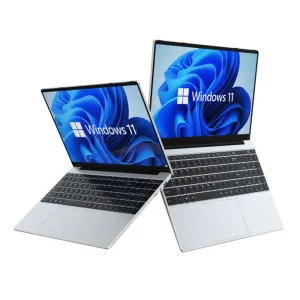
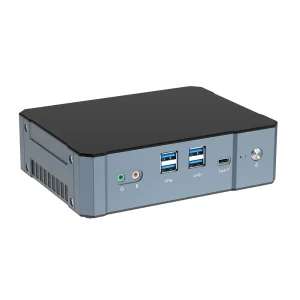
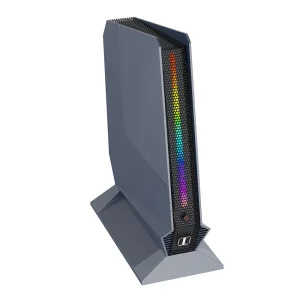
Before each device leaves the factory, our team generates a unique traceability profile. Scan the code to review the birth logs of your machine—from chip procurement to final QA sign-off. Because transparency is the foundation of trust.
If you are looking to step away from off-the-shelf configurations and require custom-built hardware designed for your brand, we invite you to connect with our engineering team or visit our manufacturing site in Guanlan, Shenzhen. We can test specialized thermal models, evaluate rugged components designed for challenging conditions, and build hardware that meets your technical and physical specifications.
 JingHong Device